| Erdi (original) | Erdi (traducción) |
|---|---|
| This is a Peul song that means playing to win pastureland; | Esta es una canción peul que significa jugar para ganar pastos; |
| not for sheep or | no para ovejas o |
| goats, but only for cattle | cabras, pero solo para ganado |
| It is a contest held each year. | Es un concurso que se realiza cada año. |
| When the people leave for the pastureland, | Cuando la gente se va a los pastos, |
| returning from the winter | regresando del invierno |
| Grounds, they have the finest and fattest animals among their flocks, | Tierras, tienen los mejores y más gordos animales entre sus rebaños, |
| and that’s when competition and | y ahí es cuando la competencia y |
| Jealousy arises between the Peul ethnic groups. | Surge la envidia entre las etnias peul. |
| It is like in life, | Es como en la vida, |
| one can have only one life without | uno puede tener una sola vida sin |
| Children, or without a first child. | Hijos, o sin primer hijo. |
| One can have a hundred children in the bed, | Uno puede tener cien niños en la cama, |
| but there is not a first | pero no hay una primera |
| Child amongst them. | Niño entre ellos. |
| The first child is the one who does well and who knows what | El primer hijo es el que hace bien y quién sabe qué |
| he is doing, who | el esta haciendo quien |
| Occupies himself only with what is his right | se ocupa solo de lo que es su derecho |
| First son who has never been matched | Primer hijo que nunca ha sido igualado |
| Thank you for what never ends, yes! | ¡Gracias por lo que nunca termina, sí! |
Traducción de la letra de la canción Erdi - Ali Farka Touré
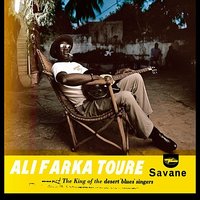
Información de la canción En esta página puedes leer la letra de la canción Erdi de -Ali Farka Touré
En el género:Африканская музыка
Fecha de lanzamiento:16.07.2006
Idioma de la canción:Inglés
Seleccione el idioma al que desea traducir:
¡Escribe lo que piensas sobre la letra!
Otras canciones del artista:
| Nombre | Año |
|---|---|
| 2010 | |
| 1992 |