| The Babbitt and the Bromide (original) | The Babbitt and the Bromide (traducción) |
|---|---|
| A babbitt met a bromide on the avenue one day, | Un babbitt se encontró un día con un bromuro en la avenida, |
| And held a conversation in their own peculiar way; | Y mantuvieron una conversación a su manera peculiar; |
| They both were solid citizens, they both had been around, | Ambos eran ciudadanos sólidos, ambos habían existido, |
| And as they spoke you clearly saw their feet were on the ground! | ¡Y mientras hablaban, viste claramente que sus pies estaban en el suelo! |
| Hello! | ¡Hola! |
| How are you? | ¿Cómo estás? |
| How’s the folks? | ¿Cómo está la gente? |
| What’s new? | ¿Qué hay de nuevo? |
| I’m great! | ¡Estoy genial! |
| That’s good! | ¡Eso es bueno! |
| Huh-huh! | ¡Ajá! |
| Touch wood! | ¡Toco madera! |
| Well well! | ¡Bien bien! |
| what say? | ¿que dice? |
| How’ve you been? | ¿Como has estado? |
| Nice day! | ¡Lindo día! |
| How’s things? | ¿Como van las cosas? |
| What’s new? | ¿Qué hay de nuevo? |
| That’s fine! | ¡Esta bien! |
| How are you? | ¿Cómo estás? |
| Nice weather we are having, but it gives me such a pain, | Hace buen tiempo que estamos teniendo, pero me da tanto dolor, |
| I’ve brought my umbrella so of course it doesn’t rain! | ¡He traído mi paraguas, así que, por supuesto, no llueve! |
| Well, hey’ho! | Bueno, hola! |
| That’s life! | ¡Así es la vida! |
| What’s new? | ¿Qué hay de nuevo? |
| How’s the wife? | ¿Cómo está la esposa? |
| Got to run! | ¡Tengo que irme! |
| Oh my! | ¡Oh mi! |
| Ta-ta! | ¡Ta-ta! |
| Olive oil! | ¡Aceite de oliva! |
| Goodbye! | ¡Adiós! |
| Ten years went quickly by for both these subste-antial men, | Diez años pasaron rápidamente para estos dos hombres sustanciales, |
| And then it happened that one day they chanced to meet again! | ¡Y luego sucedió que un día se encontraron por casualidad de nuevo! |
| That they had both developed in ten years there was no doubt, | Que ambos se habían desarrollado en diez años no había duda, |
| And so of course they had an awful lot to talk about! | ¡Y por supuesto que tenían mucho de qué hablar! |
| Hello! | ¡Hola! |
| How are you? | ¿Cómo estás? |
| How’s the folks? | ¿Cómo está la gente? |
| What’s new? | ¿Qué hay de nuevo? |
| I’m great! | ¡Estoy genial! |
| That’s good! | ¡Eso es bueno! |
| Huh-huh! | ¡Ajá! |
| Touch wood! | ¡Toco madera! |
| Well well! | ¡Bien bien! |
| what say? | ¿que dice? |
| How’ve you been? | ¿Como has estado? |
| Nice day! | ¡Lindo día! |
| How’s things? | ¿Como van las cosas? |
| What’s new? | ¿Qué hay de nuevo? |
| That’s fine! | ¡Esta bien! |
| How are you? | ¿Cómo estás? |
| I seem to know your face but I just can’t recall your name! | ¡Parece que conozco tu cara, pero no puedo recordar tu nombre! |
| Well how’ve you been old boy? | Bueno, ¿cómo has estado, viejo? |
| You’re looking just about the same! | ¡Te ves casi igual! |
| Well, hey’ho! | Bueno, hola! |
| That’s life! | ¡Así es la vida! |
| What’s new? | ¿Qué hay de nuevo? |
| How’s the wife? | ¿Cómo está la esposa? |
| Got to run! | ¡Tengo que irme! |
| Oh my! | ¡Oh mi! |
| Ta-ta! | ¡Ta-ta! |
| Olive oil! | ¡Aceite de oliva! |
| Goodbye! | ¡Adiós! |
| Before they met again, some twenty years they had to wait; | Antes de volver a encontrarse, tuvieron que esperar unos veinte años; |
| This time it happened up above, inside Saint Peter’s gate! | ¡Esta vez sucedió arriba, dentro de la puerta de San Pedro! |
| A harp each one was carrying, and both were wearing wings, | Cada uno llevaba un arpa, y ambos tenían alas, |
| and this is what they said as they were strumming on the strings; | y esto fue lo que dijeron mientras rasgueaban las cuerdas; |
| Hello! | ¡Hola! |
| How are you? | ¿Cómo estás? |
| How’s the folks? | ¿Cómo está la gente? |
| What’s new? | ¿Qué hay de nuevo? |
| Got to run! | ¡Tengo que irme! |
| Oh my! | ¡Oh mi! |
| Ta-ta! | ¡Ta-ta! |
| Olive oil! | ¡Aceite de oliva! |
| Goodbye! | ¡Adiós! |
Traducción de la letra de la canción The Babbitt and the Bromide - Джордж Гершвин, George Gershwin, Fred Astaire
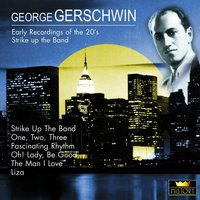
Información de la canción En esta página puedes leer la letra de la canción The Babbitt and the Bromide de -Джордж Гершвин
Canción del álbum: Early Recordings of the 20´s
En el género:Традиционный джаз
Fecha de lanzamiento:15.11.2012
Idioma de la canción:Inglés
Sello discográfico:TIM
Seleccione el idioma al que desea traducir:
¡Escribe lo que piensas sobre la letra!
Otras canciones del artista:
| Nombre | Año |
|---|---|
| 1959 | |
| 2013 | |
| 2012 | |
| 2011 | |
| 2009 | |
| 2021 | |
| 2020 | |
| 2011 | |
| 2014 | |
| 2011 | |
| 2011 | |
| 2009 | |
| 2009 | |
| 2014 | |
| 1959 | |
| 2013 | |
| 2009 | |
| 2011 | |
| 2012 | |
| 2009 |