| For The Singer Of R.E.M. (original) | For The Singer Of R.E.M. (traducción) |
|---|---|
| Here’s a version of tradition you can put in your drawer | Aquí hay una versión de la tradición que puedes poner en tu cajón |
| In the desk where next to your chair’s the handle to your door | En el escritorio donde al lado de tu silla está la manija de tu puerta |
| Dismantle the door handle, put the parts into your drawer | Desmonte la manija de la puerta, coloque las piezas en su cajón. |
| Say some words then make a sign, now open up the drawer: | Di algunas palabras, luego haz una señal, ahora abre el cajón: |
| The drawer can’t tell you more | El cajón no te puede decir más |
| Than to deal with the door | Que lidiar con la puerta |
| Now you object to objects actually meaning more | Ahora te opones a los objetos que en realidad significan más |
| Than some pathetic, lame aesthetic stolling rone is famous for | Que un patético y patético rone estético es famoso por |
| Push the drawer closed, grab a firehose, point it at the door | Empuje el cajón para cerrarlo, tome una manguera contra incendios y apúntela hacia la puerta. |
| Get it all wet, remember, forget what rock & roll is for | Mójate todo, recuerda, olvídate para qué es el rock & roll |
| The drawer can’t tell you more | El cajón no te puede decir más |
| Than to deal with the door | Que lidiar con la puerta |
| Now you’re fishing for a mission way beyond the door | Ahora estás buscando una misión mucho más allá de la puerta. |
| First you dream, next you’re scheming, searching through your drawer | Primero sueñas, luego estás tramando, buscando en tu cajón |
| For an oar for your trip bound for yet uncharted shores | Por un remo para tu viaje con destino a costas aún desconocidas |
| Over-reaching, find me spieling, cataloging doors | Excediendo el alcance, encuéntrame escupiendo, catalogando puertas |
| The door’s a symbol for | La puerta es un símbolo para |
| These objects in your drawer | Estos objetos en tu cajón |
Traducción de la letra de la canción For The Singer Of R.E.M. - fIREHOSE
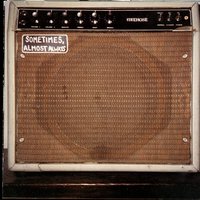
Información de la canción En esta página puedes leer la letra de la canción For The Singer Of R.E.M. de -fIREHOSE
Canción del álbum: Sometimes
En el género:Иностранный рок
Fecha de lanzamiento:23.01.2006
Idioma de la canción:Inglés
Sello discográfico:SST
Seleccione el idioma al que desea traducir:
¡Escribe lo que piensas sobre la letra!
Otras canciones del artista:
| Nombre | Año |
|---|---|
| 2006 | |
| 2006 | |
| 2006 | |
| 2006 | |
| 2006 | |
| 2006 | |
| 2006 | |
| 2006 | |
| 2006 | |
| 2006 | |
| 2006 | |
| 2006 | |
| 2006 | |
| 2006 |