| Oh How I Hate To Get Up In The Morning (original) | Oh How I Hate To Get Up In The Morning (traducción) |
|---|---|
| The other day I chanced to meet a soldier friend of mine, | El otro día me encontré por casualidad con un soldado amigo mío, |
| He’d been in camp for sev’ral weeks and he was looking fine; | Había estado en el campamento durante varias semanas y se veía bien; |
| His muscles had developed and his cheeks were rosy red, | Sus músculos se habían desarrollado y sus mejillas estaban rosadas, |
| I asked him how he liked the life, and this is what he said: | Le pregunté cómo le gustaba la vida, y esto fue lo que dijo: |
| CHORUS 1: | CORO 1: |
| «Oh! | "¡Vaya! |
| how I hate to get up in the morning, | cómo odio levantarme por la mañana, |
| Oh! | ¡Vaya! |
| how I’d love to remain in bed; | cómo me gustaría quedarme en la cama; |
| For the hardest blow of all, is to hear the bugler call; | Porque el golpe más fuerte de todos es oír el toque de corneta; |
| You’ve got to get up, you’ve got to get up, you’ve got to get up this morning! | ¡Tienes que levantarte, tienes que levantarte, tienes que levantarte esta mañana! |
| Some day I’m going to murder the bugler, | Algún día voy a matar al corneta, |
| Some day they’re going to find him dead; | Algún día lo van a encontrar muerto; |
| I’ll amputate his reveille, and step upon it heavily, | Le amputaré la diana y la pisaré con fuerza, |
| And spend the rest of my life in bed.» | Y pasar el resto de mi vida en la cama.» |
| CHORUS 2: | CORO 2: |
| «Oh! | "¡Vaya! |
| how I hate to get up in the morning, | cómo odio levantarme por la mañana, |
| Oh! | ¡Vaya! |
| how I’d love to remain in bed; | cómo me gustaría quedarme en la cama; |
| For the hardest blow of all, is to hear the bugler call; | Porque el golpe más fuerte de todos es oír el toque de corneta; |
| You’ve got to get up, you’ve got to get up, you’ve got to get up this morning! | ¡Tienes que levantarte, tienes que levantarte, tienes que levantarte esta mañana! |
| Oh! | ¡Vaya! |
| boy the minute the battle is over, | chico en el momento en que la batalla ha terminado, |
| Oh! | ¡Vaya! |
| boy the minute the foe is dead; | niño en el momento en que el enemigo está muerto; |
| I’ll put my uniform away, and move to Philadelphia, | Guardaré mi uniforme y me mudaré a Filadelfia, |
| And spend the rest of my life in bed.» | Y pasar el resto de mi vida en la cama.» |
| A bugler in the army is the luckiest of men, | Un corneta en el ejército es el más afortunado de los hombres, |
| He wakes the boys at five and then goes back to bed again; | Despierta a los niños a las cinco y luego vuelve a la cama; |
| He doesn’t have to blow again until the afternoon, | No tiene que volver a soplar hasta la tarde, |
| If ev’ry thing goes well with me I’ll be a bugler soon. | Si todo me va bien, pronto seré corneta. |
| (CHORUS 1) | (CORO 1) |
| (CHORUS 2) | (CORO 2) |
Traducción de la letra de la canción Oh How I Hate To Get Up In The Morning - Ирвинг Берлин
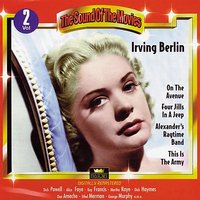
Información de la canción En esta página puedes leer la letra de la canción Oh How I Hate To Get Up In The Morning de -Ирвинг Берлин
En el género:Саундтреки
Fecha de lanzamiento:02.01.2010
Idioma de la canción:Inglés
Seleccione el idioma al que desea traducir:
¡Escribe lo que piensas sobre la letra!
Otras canciones del artista:
| Nombre | Año |
|---|---|
| 2005 | |
| 1982 | |
| 2010 | |
| 2009 | |
| 2013 | |
| 2009 | |
| 2013 | |
| 2016 | |
| 2014 | |
| 2007 | |
| 2019 | |
| 1996 | |
| 2022 | |
| 2013 | |
| 2012 | |
| 2013 | |
| 2013 | |
| 2016 | |
| 2016 | |
| 2013 |