| Granny (original) | Granny (traducción) |
|---|---|
| That bwoy left from outta da yard from morning and him don’t come back | Ese bwoy se fue del patio desde la mañana y no regresa |
| Is him and everything just get on top of mi nerves | ¿Es él y todo lo que acaba de ponerse encima de mis nervios? |
| A soon run left Jamaica and go live a Kingston hmmmm | Una carrera pronto dejó Jamaica y se fue a vivir a Kingston hmmmm |
| A could a who say granny nuh miserable | A podría quién dice abuelita nuh miserable |
| If you live with you granny you wi tun granny too | Si vives con tu abuelita también serás abuelita |
| A who say granny nuh love di cussing | A quien dice abuelita nuh love discussing |
| Fi mi granny she cuss fi everything | Fi mi abuela ella maldice todo |
| Granny! | ¡Abuelita! |
| stop hollering out mi name | deja de gritar mi nombre |
| Granny! | ¡Abuelita! |
| you calling mi name in vain | llamas mi nombre en vano |
| Granny! | ¡Abuelita! |
| weh you a call mi fa | vamos a llamar a mi fa |
| Mi soon left you and go live with mama | Mi pronto te dejo y me voy a vivir con mama |
| Imagine I caan tek this country what we live in | Imagina que puedo decirle a este país en qué vivimos |
| Look how much money wi haffi fi pay fi chicken | Mira cuánto dinero wi haffi fi pagar fi pollo |
| Rice and flour and cornmeal is a sin | El arroz y la harina y la harina de maíz es un pecado |
| Waan buy a milk and mi caan buy di tin | Waan compra leche y mi caan compra di estaño |
| Caan even get sugar now fi do some sweetening | Puede incluso obtener azúcar ahora para endulzar |
| A soon run left Jamaica and go live in a foreign | Un pronto corrió dejó Jamaica y se fue a vivir a un extranjero |
| Oh lawd of mercy I have to sing | Oh ley de la misericordia tengo que cantar |
| Unno help me now hmm | No, ayúdame ahora hmm |
| I use to tun cornmeal and give mi dad | Solía tonificar harina de maíz y darle a mi papá |
| But that was long before it raise si ya bwoy | Pero eso fue mucho antes de que criara si ya bwoy |
| I caan tun cornmeal no more a mi yard | No puedo comer harina de maíz más de una yarda |
| Cause tings get hard Oh lawd | Porque las cosas se ponen difíciles, oh, ley |
| Mi say nowadays rice gone up oh lawd | Mi decir hoy en día el arroz ha subido oh lawd |
| Chicken gone up whooy | Pollo subido whooy |
| Flour it gone outta space | Harina se fue del espacio |
| Way in a foreign him dey and caan and caan catch da note ya | Camino en un extranjero él dey y caan y caan atrapan la nota ya |
| Come again one more time deh fi mi oh, hear mi now | Ven de nuevo una vez más deh fi mi oh, escucha mi ahora |
| Granny! | ¡Abuelita! |
| stop hollering out mi name | deja de gritar mi nombre |
| Granny! | ¡Abuelita! |
| how you calling mi name in vain | cómo llamas mi nombre en vano |
| Granny! | ¡Abuelita! |
| suh weh you a call mi name fa | suh weh tu llamas mi nombre fa |
| Mi soon left you and go live with mama | Mi pronto te dejo y me voy a vivir con mama |
| A who say granny nuh miserable | A quien dice abuelita nuh miserable |
| If you grow with you granny you wi tun granny too | Si creces con tu abuelita también serás abuelita |
| A who say granny nuh love di cussing | A quien dice abuelita nuh love discussing |
| Fi mi granny man she cuss fi everything | Fi mi abuela hombre ella maldice todo |
| Son I always tell you you fi look before you leap | Hijo, siempre te digo que mires antes de saltar |
| You caan plant corn and a peas you waan reap | Puedes plantar maíz y guisantes quieres cosechar |
| You don’t start di journey then how you fi reach | No comienzas el viaje, entonces cómo llegas |
| Tek up di broom cah di yard waan sweep | Tek up di escoba cah di yard waan barrido |
| Look pon you bed you nuh spread it up with you sheet | Mira en tu cama, no lo extiendas con tu sábana |
| Mi tell you fi do something all now you nuh dweet | Te digo que hagas algo ahora, nuh dweet |
| Tun some cornmeal let mi get it fi eat | Tun un poco de harina de maíz, déjame conseguirlo para comer |
| A so-so gum mi have cause mi lost mi false teeth | Un chicle regular mi causa mi perdido mis dientes postizos |
| Granny! | ¡Abuelita! |
| stop hollering out mi name | deja de gritar mi nombre |
| Granny! | ¡Abuelita! |
| you calling mi name in vain | llamas mi nombre en vano |
| Granny! | ¡Abuelita! |
| weh you a call mi fa | vamos a llamar a mi fa |
| Mi soon left you and go live with mama | Mi pronto te dejo y me voy a vivir con mama |
| Unda one tree mi hold a seat and sidung | Unda one tree mi hold a seat y sidung |
| When mi look mi see my granny she a come | Cuando mi miro mi mi abuelita ella viene |
| She grab him by di shirt and say come here grandson | Ella lo agarra por la camisa y dice ven aquí nieto |
| A weh di cornmeal deh weh mi tell you fi tun | A weh di cornmeal deh weh mi te digo fi tun |
| She double up her fist and mi go mek fi run | Ella dobla su puño y mi go mek fi run |
| She start thump mi dung like a mike Mccallum (boop) | Ella comienza a golpear mi estiércol como un micrófono Mccallum (boop) |
| Mi granny she just thump mi dung a ground | Mi abuela, ella acaba de golpear mi estiércol en el suelo |
| And in a mi chest a weh mi granny kneel dung | Y en un mi pecho una weh mi abuela arrodillada estiércol |
| Boop! | ¡Bup! |
| you wait you ears nuh have nuh drum | esperas tus oídos nuh tienes nuh tambor |
| Boop! | ¡Bup! |
| a soon left you with so-so gum | un pronto te dejó con un chicle regular |
| Boop! | ¡Bup! |
| anything mi say must do must be done | todo lo que diga que debe hacerse debe hacerse |
| Granny a go kill mi! | ¡Abuelita, ve a matarme! |
| well grandson | bien nieto |
| When I done with you a hearse dem haffi send come | Cuando terminé contigo un coche fúnebre dem haffi enviar venir |
| Boop! | ¡Bup! |
| a you mek mi old before young | a mek mi viejo antes que joven |
| Boop! | ¡Bup! |
| a you gimme body come dung | un tu dame cuerpo come estiércol |
| I caan tek it no more I gwaan left jamdown | No puedo saberlo más. Gwaan dejó jamdown |
| A run left ya and go live a kingston | Una carrera te dejó y vete a vivir a Kingston |
| Granny! | ¡Abuelita! |
| stop hollering out mi name | deja de gritar mi nombre |
| Granny! | ¡Abuelita! |
| you calling mi name in vain | llamas mi nombre en vano |
| Granny! | ¡Abuelita! |
| weh you a call mi fa | vamos a llamar a mi fa |
| Mi soon left you and go live with mama | Mi pronto te dejo y me voy a vivir con mama |
| A who say granny nuh miserable | A quien dice abuelita nuh miserable |
| If yuh live with you granny you wi tun granny too | Si vives contigo, abuelita, también serás abuelita. |
| A who say granny nuh love di cussing | A quien dice abuelita nuh love discussing |
| Fi mi granny man she cuss fi everything | Fi mi abuela hombre ella maldice todo |
| That bwoy left out from yard talk bout him a go shoot bird | Ese bwoy que salió del patio habla de él y dispara a un pájaro |
| All now him nuh come back him just get on top a mi nerves | Todo ahora él nuh vuelve él solo ponte encima de los nervios |
| A bwoy like that mek mi cuss badword | Un bwoy así mek mi cuss badword |
| W-w-w-Wait till that bwoy come in here | W-w-w-Espera hasta que ese bwoy entre aquí |
| Imagine I caan tek dis country what we live in | Imagina que puedo saber en qué país vivimos |
| Look how much money we haffi fi pay fi chicken | Mira cuánto dinero tenemos que pagar por el pollo |
| Rice and flour and cornmeal is a sin | El arroz y la harina y la harina de maíz es un pecado |
| When you talk bout milk mi caan buy a tin | Cuando hablas de leche mi caan compra una lata |
| Not even sugar fi do nuh sweetening | Ni siquiera azúcar fi do nuh edulcorante |
| A soon run left Jamaica and go live a foreign | Un pronto corrió dejó Jamaica y se fue a vivir a un extranjero |
| Oh lawd I have to sing | Oh ley tengo que cantar |
| I use to tun cornmeal and give mi dad | Solía tonificar harina de maíz y darle a mi papá |
Traducción de la letra de la canción Granny - General Degree
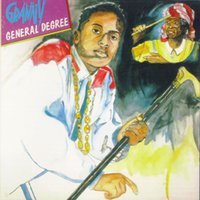
Información de la canción En esta página puedes leer la letra de la canción Granny de -General Degree
Canción del álbum: Granny
En el género:Регги
Fecha de lanzamiento:07.01.2010
Idioma de la canción:Inglés
Sello discográfico:VP
Seleccione el idioma al que desea traducir:
¡Escribe lo que piensas sobre la letra!
Otras canciones del artista:
| Nombre | Año |
|---|---|
| 2014 | |
| 2011 | |
| 2015 | |
| 2009 | |
| 2012 | |
| 2017 | |
| 1994 | |
| 1997 |