| Can I Interest You In Hannukah? (original) | Can I Interest You In Hannukah? (traducción) |
|---|---|
| Jon: Can I interest you in Hannukah? | Jon: ¿Puedo interesarte en Hannukah? |
| Maybe something in a Festival of Lights | Tal vez algo en un Festival de las Luces |
| It’s a sensible alternative to Christmas | Es una alternativa sensata a la Navidad. |
| And it lasts for seven -for you — eight nights. | Y dura siete -para ti- ocho noches. |
| Stephen: Hanukkah huh? | Stephen: Hanukkah, ¿eh? |
| I’ve never really thought about it. | Realmente nunca he pensado en eso. |
| Jon: Well, you could do worse. | Jon: Bueno, podrías hacerlo peor. |
| Stephen: Is it merry? | Stephen: ¿Es alegre? |
| Jon: It’s kind of merry | Jon: Es un poco alegre. |
| Stephen: Is it cheery? | Stephen: ¿Es alegre? |
| Jon: It’s got some cheer | Jon: Tiene algo de alegría |
| Stephen: Is it jolly? | Stephen: ¿Es divertido? |
| Jon: Look, I wouldn’t know from jolly. | Jon: Mira, no lo sabría por jolly. |
| But it’s not my least unfavorite time of year. | Pero no es mi época del año menos desfavorable. |
| Stephen: When’s it start? | Stephen: ¿Cuándo empieza? |
| Jon: The 25th | jon: el 25 |
| Stephen: Of December? | Stephen: ¿De diciembre? |
| Jon: Kislev | Jon: Kislev |
| Stephen: When is when exactly? | Stephen: ¿Cuándo es cuándo exactamente? |
| Jon: I will check | Jon: Voy a comprobar |
| Stephen: Are there presents? | Stephen: ¿Hay regalos? |
| Jon: Yes, indeed 8 days of presents | Jon: Sí, de hecho 8 días de regalos. |
| Which means one nice one, then a week of dreck. | Lo que significa uno bueno, luego una semana de mierda. |
| Stephen: Does Hanukkah commemorate events profound and holy? | Stephen: ¿Januca conmemora eventos profundos y sagrados? |
| A king who came to | Un rey que vino a |
| save the world? | ¿salvar el mundo? |
| Jon: No, oil that burned quite slowly | Jon: No, aceite que se quemó muy lentamente. |
| Stephen: Well, it sounds fantastic! | Stephen: Bueno, ¡suena fantástico! |
| Jon: There’s more | jon: hay mas |
| Jon: We have latkes | Jon: Tenemos latkes |
| Stephen: What are they? | Esteban: ¿Qué son? |
| Jon: Potato pancakes. | Jon: Tortitas de patata. |
| We have dreidels | Tenemos dreidels |
| Stephen: What are they? | Esteban: ¿Qué son? |
| Jon: Wooden tops. | Jon: tapas de madera. |
| We have candles | tenemos velas |
| Stephen: What are they? | Esteban: ¿Qué son? |
| Jon: THEY ARE CANDLES! | Jon: ¡SON VELAS! |
| And when we light them, oh the fun it never stops. | Y cuando los encendemos, oh, la diversión nunca se detiene. |
| What do you say, Stephen, do you want to give Hanukkah a try? | Qué dices, Stephen, ¿quieres darle una oportunidad a Hanukkah? |
| Stephen: I’m trying see me as a Jew | Stephen: Estoy tratando de verme como judío |
| I’m trying even harder | me estoy esforzando aún más |
| But I believe in Jesus Christ | Pero yo creo en Jesucristo |
| So it’s a real non-starter | Así que es un verdadero fracaso |
| Jon: I can’t interest you in Hanukkah? | Jon: ¿No puedo interesarte en Hanukkah? |
| Just a little bit? | ¿Solo un poco? |
| Stephen: No thanks I’ll pass. | Stephen: No, gracias, paso. |
| I’ll keep Jesus, you keep your potato pancakes. | Yo me quedo con Jesús, tú te quedas con tus tortitas de patata. |
| But I hope that you enjoy 'em on behalf of all of the goyim. | Pero espero que los disfrutes en nombre de todos los goyim. |
| Jon: Be sure to tell the Pontiff, my people say Good Yontif. | Jon: Asegúrate de decirle al Pontífice, mi gente dice Buen Yontif. |
| Stephen: That’s exactly what I’ll do | Stephen: Eso es exactamente lo que haré. |
| Both: Happy holidays, you | Ambos: Felices fiestas a ti |
| Jon: too! | jon: tambien! |
| Stephen: Jew! | Esteban: ¡Judío! |
| Jon: Too? | jon: tambien? |
Traducción de la letra de la canción Can I Interest You In Hannukah? - Jon Stewart, Stephen Colbert
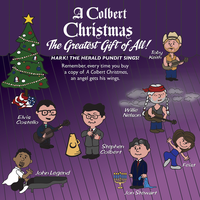
Información de la canción En esta página puedes leer la letra de la canción Can I Interest You In Hannukah? de -Jon Stewart
En el género:Саундтреки
Fecha de lanzamiento:22.11.2008
Idioma de la canción:Inglés
Seleccione el idioma al que desea traducir:
¡Escribe lo que piensas sobre la letra!
Otras canciones del artista:
| Nombre | Año |
|---|---|
| 2008 | |
Friday ft. Stephen Colbert | 2012 |
| 2008 | |
Little Dealer Boy ft. Stephen Colbert | 2008 |
Charlene II (I'm Over You) ft. The Black Belles, Stephen Colbert | 2016 |
| 2008 | |
Charlene (I'm Right Behind You) ft. The Black Belles, Stephen Colbert | 2016 |