| Old Folks (original) | Old Folks (traducción) |
|---|---|
| Everyone knows him as old folks | Todo el mundo lo conoce como viejos |
| Like the seasons he comes and he’ll go | Como las estaciones, él viene y se irá |
| Just as free as a bird and as good as his word | Tan libre como un pájaro y tan bueno como su palabra |
| That’s why everybody loves him so | Es por eso que todos lo aman tanto |
| Always leaving his spoon in his coffee | Siempre dejando su cuchara en su café |
| Tucks his napkin up under his chin | Se mete la servilleta debajo de la barbilla |
| And his own corn cob pipe is so mellow, hits right | Y su propia pipa de mazorca de maíz es tan suave, golpea bien |
| But you needn’t be ashamed of him | Pero no tienes por qué avergonzarte de él. |
| In the evenings after supper | Por las tardes después de la cena |
| What stories he tells | que historias cuenta |
| How he held his speech at Gettysburg for Lincoln that day | Cómo pronunció su discurso en Gettysburg para Lincoln ese día |
| You know I know that one so well | Sabes que lo conozco tan bien |
| One thing we don’t know about old folks | Una cosa que no sabemos sobre los viejos |
| Did he fight for the blue or the gray? | ¿Luchó por el azul o el gris? |
| But he’s so democratic and so diplomatic | Pero es tan democrático y tan diplomático |
| We always let him have his way | Siempre lo dejamos hacer a su manera |
| In the evenings after supper | Por las tardes después de la cena |
| What stories he tells | que historias cuenta |
| How he held his speech at Gettysburg for Lincoln that day | Cómo pronunció su discurso en Gettysburg para Lincoln ese día |
| Yes, I know that one so well | Sí, lo conozco muy bien. |
| Some day there will be no more old folks | Algún día no habrá más viejos |
| What a lonely old world this will be | Qué viejo mundo solitario será este |
| Children’s voices at play will be still fonding | Las voces de los niños en el juego seguirán siendo cariñosas. |
| The day they take old folks away | El día que se lleven a los viejos |
Traducción de la letra de la canción Old Folks - Lou Rawls
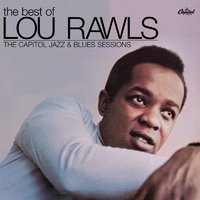
Información de la canción En esta página puedes leer la letra de la canción Old Folks de -Lou Rawls
Canción del álbum: The Best Of Lou Rawls - The Capitol Jazz & Blues Sessions
En el género:Джаз
Fecha de lanzamiento:31.12.2005
Idioma de la canción:Inglés
Sello discográfico:Blue Note
Seleccione el idioma al que desea traducir:
¡Escribe lo que piensas sobre la letra!
Otras canciones del artista:
| Nombre | Año |
|---|---|
| 2005 | |
| 2015 | |
| 2015 | |
| 1991 | |
| 1991 | |
| 1965 | |
| 2006 | |
| 2017 | |
| 2003 | |
| 1999 | |
| 2013 | |
| 2014 | |
| 2014 | |
God Bless the Child ft. Les McCann Ltd. | 2013 |
| 2014 | |
| 2008 | |
| 2014 | |
| 2014 | |
| 1989 | |
| 2014 |