| If Ever You Go to Dublin Town (original) | If Ever You Go to Dublin Town (traducción) |
|---|---|
| If you ever go to Dublin town | Si alguna vez vas a la ciudad de Dublín |
| In a hundred years or so | En cien años más o menos |
| Inquire for me in Baggot street | Pregunta por mí en la calle Baggot |
| And what I was like to know | Y lo que me gustaría saber |
| O he was the queer one | Oh, él era el raro |
| Fol dol the di do | Fol dol el di do |
| He was a queer one | El era un queer |
| And I tell you | y te digo |
| My great-grandmother knew him well, | Mi bisabuela lo conocía bien, |
| He asked her to come and call | Él le pidió que viniera y llamara |
| On him in his flat and she giggled at the thought | Sobre él en su apartamento y ella se rió al pensar |
| Of a young girl’s lovely fall. | De la hermosa caída de una joven. |
| O he was dangerous, | Oh, él era peligroso, |
| Fol dol the di do, | Fol dol el di do, |
| He was dangerous, | era peligroso, |
| And I tell you | y te digo |
| On Pembroke Road look out for me ghost, | En Pembroke Road, cuídame, fantasma, |
| Dishevelled with shoes untied, | despeinada con los zapatos desatados, |
| Playing through the railings with little children | Jugando a través de las rejas con niños pequeños |
| Whose children have long since died. | cuyos hijos han muerto hace mucho tiempo. |
| O he was a nice man, | Oh, él era un buen hombre, |
| Fol do the di do, | Fol do el di do, |
| He was a nice man | El era un buen hombre |
| And I tell you | y te digo |
| Go into a pub and listen well | Entra en un pub y escucha bien |
| If my voice still echoes there, | Si mi voz aún resuena allí, |
| Ask the men what their grandsires thought | Pregúntales a los hombres qué pensaron sus abuelos. |
| And tell them to answer fair, | Y diles que respondan justo, |
| O he was eccentric, | Oh, él era excéntrico, |
| Fol do the di do, | Fol do el di do, |
| He was eccentric | era excéntrico |
| And I tell you | y te digo |
| He had the knack of making men feel | Tenía la habilidad de hacer que los hombres se sintieran |
| As small as they really were | Tan pequeños como realmente eran |
| Which meant as great as God had made them | Lo que significaba tan grandes como Dios los había hecho. |
| But as males they disliked his air. | Pero como machos les desagradaba su aire. |
| O he was a proud one, | Oh, él era un orgulloso, |
| Fol do the di do, | Fol do el di do, |
| He was a proud one | era un orgulloso |
| And I tell you | y te digo |
| If ever you go to Dublin town | Si alguna vez vas a la ciudad de Dublín |
| In a hundred years or so | En cien años más o menos |
| Sniff for my personality, | Huele por mi personalidad, |
| Is it Vanity’s vapour now? | ¿Es ahora el vapor de la vanidad? |
| O he was a vain one, | Oh, él era un vanidoso, |
| Fol dol the di do, | Fol dol el di do, |
| He was a vain one | era un vanidoso |
| And I tell you | y te digo |
| I saw his name with a hundred more | Vi su nombre con cien más |
| In a book in the library, | En un libro de la biblioteca, |
| It said he had never fully achieved | Decía que nunca había logrado completamente |
| His potentiality. | Su potencialidad. |
| O he was slothful, | Oh, él era perezoso, |
| Fol do the di do, | Fol do el di do, |
| He was slothful | era perezoso |
| And I tell you | y te digo |
| He knew that posterity had no use | Sabía que la posteridad no tenía ningún uso |
| For anything but the soul, | Para cualquier cosa menos el alma, |
| The lines that speak the passionate heart, | Las líneas que hablan el corazón apasionado, |
| The spirit that lives alone. | El espíritu que vive solo. |
| O he was a lone one, | Oh, él era un solitario, |
| Fol do the di do | Fol do el di do |
| O he was a lone one, | Oh, él era un solitario, |
| And I tell you | y te digo |
| O he was a lone one, | Oh, él era un solitario, |
| Fol do the di do | Fol do el di do |
| Yet he lived happily | Sin embargo, vivió feliz |
| And I tell you. | Y te digo. |
Traducción de la letra de la canción If Ever You Go to Dublin Town - Ronnie Drew
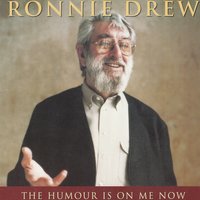
Información de la canción En esta página puedes leer la letra de la canción If Ever You Go to Dublin Town de -Ronnie Drew
Canción del álbum: The Humour Is On Me Now
En el género:Кельтская музыка
Fecha de lanzamiento:02.03.1999
Idioma de la canción:Inglés
Sello discográfico:Dolphin
Seleccione el idioma al que desea traducir:
¡Escribe lo que piensas sobre la letra!
Otras canciones del artista:
| Nombre | Año |
|---|---|
| 2014 | |
| 2014 | |
| 2014 | |
| 1999 | |
| 2009 | |
| 2009 | |
| 2009 | |
| 1988 | |
| 2014 | |
| 2016 | |
| 2014 | |
| 2014 | |
| 2014 |