| Madame Giry's Tale / The Fairground (original) | Madame Giry's Tale / The Fairground (traducción) |
|---|---|
| RAOUL | RAÚL |
| Madame Giry, wait.. . | Señora Giry, espere... |
| GIRY | GIRY |
| Please, Monsieur — I know no more than | Por favor, señor, no sé más que |
| anyone else. | alguien mas. |
| RAOUL | RAÚL |
| That’s not true. | Eso no es cierto. |
| GIRY (uneasily) | GIRY (inquieto) |
| Please, Monsieur, don’t ask, there have been too many accidents. | Por favor, señor, no pregunte, ha habido demasiados accidentes. |
| .. | .. |
| RAOUL (ironical) | RAOUL (irónico) |
| Accidents?! | ¿Accidentes? |
| (She moves off again. He stops her) (desperately) Please, | (Ella se aleja de nuevo. Él la detiene) (desesperado) Por favor, |
| Madame Giry, for all our sakes. | Madame Giry, por el bien de todos. |
| .. | .. |
| GIRY (She has glanced nervously about her and suddenly deciding to trust him, | GIRY (Ella ha mirado nerviosamente a su alrededor y de repente decide confiar en él, |
| cuts in) | cortes en) |
| Very well. | Muy bien. |
| It was years ago. | Fue hace años. |
| There was a traveling | Había un viaje |
| fair in the city. | feria en la ciudad. |
| The gypsies. | los gitanos |
| I was very young, studying to be a ballerina. | Yo era muy joven, estudiando para ser bailarina. |
| One of many living in the dormitories of the opera house. | Uno de los muchos que viven en los dormitorios del teatro de la ópera. |
| (There is a flashback of when Madame Giry is still very young and at the | (Hay un recuerdo de cuando Madame Giry es todavía muy joven y en el |
| traveling fair) | feria itinerante) |
| (The traveling circus) | (El circo ambulante) |
| (Young Madame Giry’s school is taking a fieldtrip to a traveling circus) | (La escuela de la joven Madame Giry está haciendo una excursión a un circo ambulante) |
| Scary woman: See the wonder from the East! | Mujer aterradora: ¡Mira la maravilla del este! |
| Cruel man. | Hombre Cruel. |
| Come. | Ven. |
| Come. | Ven. |
| Come inside. | Entra. |
| Come and see The Devil’s Child. | Ven a ver El niño del diablo. |
| (They all see Young Erik with a sack over his head, chained in a cage of straw. | (Todos ven al joven Erik con un saco en la cabeza, encadenado en una jaula de paja. |
| He is making a stuffed monkey playing the cymbals like the one on the musical | Está haciendo un mono de peluche tocando los platillos como el del musical. |
| box) | caja) |
| (All the children except for Young Madame Giry laugh at Young Erik) | (Todos los niños excepto la joven Madame Giry se ríen del joven Erik) |
| Cruel man. | Hombre Cruel. |
| (Beats Erik with a stick) You damn demon! | (Golpea a Erik con un palo) ¡Maldito demonio! |
| (Beats) Villain! | (Golpe) ¡Villano! |
| (Beats) Ne’er do-well! | (Pausa) ¡Nunca lo hagas bien! |
| (Beats) Libertine! | (Pausa) ¡Libertino! |
| (Beats) Dangerous! | (Pausa) ¡Peligroso! |
| (Beats) Hideous! | (Pausa) ¡Horrible! |
| (Beats) Monstrous! | (Pausa) ¡Monstruoso! |
| (Beats) BEAST! | (Golpes) ¡BESTIA! |
| (Beats very hard) | (Golpea muy fuerte) |
| (Young Erik groans in pain on the straw. Young Madame Giry looks sadly at Young | (El joven Erik gime de dolor sobre la paja. La joven madame Giry mira con tristeza al joven |
| Erik) | Erik) |
| Cruel Man. | Hombre Cruel. |
| Behold, Mesdames and messieurs, the Devil’s Child! | ¡Mirad, señoras y señores, el Niño del Diablo! |
| (He takes the | (Toma el |
| sack off Young Erik’s head, pulls the hair) | saco la cabeza del joven Erik, tira del pelo) |
| (All the kids except Young Madame Giry laugh at him) | (Todos los niños excepto la Joven Madame Giry se ríen de él) |
| (Erik slowly puts the sack back on. When all the children break free, | (Erik se vuelve a poner lentamente el saco. Cuando todos los niños se liberan, |
| the cruel man begins to count his money coins) | el hombre cruel comienza a contar sus monedas de dinero) |
| (Young Erik suddenly breaks free, grabs a rope and the chains he was chained | (El joven Erik de repente se libera, agarra una cuerda y las cadenas que estaba encadenado |
| too and strangles the cruel man) | también y estrangula al hombre cruel) |
| (Erik grabs his stuff monkey and takes Young Madame Giry’s hand and they run | (Erik agarra su mono de cosas y toma la mano de la Joven Madame Giry y corren |
| out of the traveling circus) | fuera del circo ambulante) |
| Man: Murder! | Hombre: ¡Asesinato! |
| Policeman: Which way?! | Policía: ¡¿Hacia dónde?! |
| Man: That way! | Hombre: ¡Por ahí! |
| That way! | ¡De esa manera! |
| Policeman: He’s getting away! | Policía: ¡Se está escapando! |
| (Young Madame Giry and Young Erik run all the way to a window of the Opera | (La joven Madame Giry y el joven Erik corren hasta una ventana de la Ópera |
| House) | Casa) |
| (Young Madame Giry puts Erik in the window) | (La joven Madame Giry pone a Erik en la ventana) |
| (The Opera House) | (La Opera) |
| GIRY: (Narrating the story) I hid him from the world, and its cruelties. | GIRY: (Narrando la historia) Lo escondí del mundo y de sus crueldades. |
| (Young Madame Giry enters from another part of the room, Young Erik runs to her | (La joven Madame Giry entra desde otra parte de la habitación, el joven Erik corre hacia ella |
| and she hides him) | y ella lo esconde) |
| Young Giry: If you stay in here, you are safe. | Joven Giry: Si te quedas aquí, estás a salvo. |
| Young Erik: Thank you so much, young lady. | Erik joven: Muchas gracias, jovencita. |
| (It goes back to the real times) | (Se vuelve a los tiempos reales) |
| GIRY: He has known nothing else of life since then except this opera house. | GIRY: No ha conocido nada más de la vida desde entonces excepto este teatro de ópera. |
| I called him Erik. | Lo llamé Erik. |
| It was his playground and now his artistic domain, | Era su patio de recreo y ahora su dominio artístico, |
| he’s a genius. | es un genio. |
| He’s an architect and designer, he’s composer and a magician. | Es arquitecto y diseñador, es compositor y mago. |
| A genius, Monsieur! | ¡Un genio, señor! |
| ROUL: But clearly, Madame Giry, genius has turned to madness. | ROUL: Pero claramente, señora Giry, el genio se ha convertido en locura. |
Traducción de la letra de la canción Madame Giry's Tale / The Fairground - Andrew Lloyd Webber, Patrick Wilson, Miranda Richardson
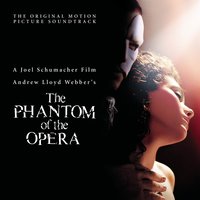
Información de la canción En esta página puedes leer la letra de la canción Madame Giry's Tale / The Fairground de -Andrew Lloyd Webber
Canción del álbum: «Призрак Оперы»
En el género:Музыка из фильмов
Fecha de lanzamiento:09.12.2004
Idioma de la canción:Inglés
Sello discográfico:The Really Useful Group
Seleccione el idioma al que desea traducir:
¡Escribe lo que piensas sobre la letra!
Otras canciones del artista:
| Nombre | Año |
|---|---|
| 2012 | |
Magical Lasso ft. Kevin McNally, Jennifer Ellison, Miranda Richardson | 2004 |
| 2004 | |
| 1980 | |
| 2013 | |
| 2004 | |
| 2004 | |
| 2004 | |
| 2018 | |
| 2004 | |
| 2004 | |
| 1969 | |
| 2018 | |
| 2013 | |
| 2004 | |
| 2018 | |
| 2013 | |
| 1969 | |
| 1986 | |
| 1969 |