| Drige (original) | Drige (traducción) |
|---|---|
| Knows he who tills this lonely field | Conoce a quien labra este campo solitario |
| To reap its scanty corn | Para cosechar su escaso maíz |
| What mystic fruit his acres yield | Qué fruto místico producen sus acres |
| At midnight and at morn? | ¿A medianoche y a la mañana? |
| In the long sunny afternoon | En la larga tarde soleada |
| The plain was full of ghosts | La llanura estaba llena de fantasmas |
| I wandered up, I wandered down | Caminé hacia arriba, caminé hacia abajo |
| Beset by pensive hosts | Acosado por anfitriones pensativos |
| The winding Concord gleamed below | El sinuoso Concord brillaba debajo |
| Pouring as wide a flood | Vertiendo tan ancho como una inundación |
| As when my brothers long ago | Como cuando mis hermanos hace mucho tiempo |
| Came with me to the wood | vino conmigo al bosque |
| But they are gone, — the holy ones | Pero se han ido, los santos |
| Who trod with me this lonely vale | Quien pisó conmigo este valle solitario |
| The strong, star-bright companions | Los compañeros fuertes y brillantes como estrellas |
| Are silent, low, and pale | Son silenciosos, bajos y pálidos |
| My good, my noble, in their prime | Mi bien, mi noble, en su mejor momento |
| Who made this world the feast it was | ¿Quién hizo de este mundo la fiesta que era? |
| Who learned with me the lore of time | que aprendió conmigo la ciencia del tiempo |
| Who loved this dwelling-place | ¿Quién amó esta morada? |
| They took this valley for their toy | Tomaron este valle para su juguete |
| They played with it in every mood | Jugaron con él en todos los estados de ánimo |
| A cell for prayer, a hall for joy | Una celda para la oración, un salón para la alegría |
| They treated nature as they would | Trataron a la naturaleza como lo harían |
| They colored the horizon round | Colorearon el horizonte redondo |
| Stars flamed and faded as they bade | Las estrellas flamearon y se desvanecieron mientras pedían |
| All echoes hearkened for their sound | Todos los ecos escucharon su sonido |
| They made the woodlands glad or mad | Hicieron que los bosques se alegraran o se enfadaran |
| I touch this flower of silken leaf | Toco esta flor de hoja de seda |
| Which once our childhood knew | que una vez supo nuestra infancia |
| Its soft leaves wound me with a grief | Sus suaves hojas me hieren de pena |
| Whose balsam never grew | Cuyo bálsamo nunca creció |
| Hearken to yon pine warbler | Escucha a la curruca del pino |
| Singing aloft in the tree | Cantando en lo alto del árbol |
| Hearest thou, O traveller | Oye tú, oh viajero |
| What he singeth to me? | ¿Qué me canta? |
| Not unless God made sharp thine ear | No a menos que Dios agudice tu oído |
| With sorrow such as mine | Con pena como la mia |
| Out of that delicate lay couldst thou | Fuera de esa delicada disposición, ¿podrías tú |
| The heavy dirge divine | El pesado canto divino |
| Go, lonely man, it saith | Ve, hombre solitario, dice |
| They loved thee from their birth | Ellos te amaron desde su nacimiento |
| Their hands were pure, and pure their faith | Sus manos eran puras, y pura su fe |
| There are no such hearts on earth | No hay tales corazones en la tierra |
| Ye drew one mother’s milk | Tomaste la leche de una madre |
| One chamber held ye all | Una cámara los sostuvo a todos |
| A very tender history | Una historia muy tierna |
| Did in your childhood fall | ¿En tu infancia se cayó? |
| Ye cannot unlock your heart | No puedes abrir tu corazón |
| The key is gone with them | La llave se ha ido con ellos. |
| The silent organ loudest chants | El órgano silencioso canta con más fuerza |
| The master’s requiem | El réquiem del maestro |
| Poem by Ralph Waldo Emerson | Poema de Ralph Waldo Emerson |
Traducción de la letra de la canción Drige - Hyperomm
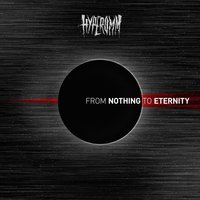
Información de la canción En esta página puedes leer la letra de la canción Drige de -Hyperomm
Canción del álbum: From Nothing to Eternity
Fecha de lanzamiento:31.01.2017
Idioma de la canción:Inglés
Seleccione el idioma al que desea traducir:
¡Escribe lo que piensas sobre la letra!
Otras canciones del artista:
| Nombre | Año |
|---|---|
| 2017 | |
| 2017 | |
| 2017 | |
| 2017 | |
| 2017 | |
| 2017 |