| Overture / Hannibal (original) | Overture / Hannibal (traducción) |
|---|---|
| CARLOTTA: | CARLOTA: |
| This trophy from our saviours, from our saviours from the enslaving force of Rome! | ¡Este trofeo de nuestros salvadores, de nuestros salvadores de la fuerza esclavizadora de Roma! |
| GIRL’S CHORUS: | CORO DE NIÑAS: |
| With feasting and dancing and song, tonight in celebration, | Con festejos, bailes y cantos, esta noche en celebración, |
| We greet the victorious throng, returned to bring salvation! | ¡Saludamos a la multitud victoriosa, regresada para traer la salvación! |
| MEN’S CHORUS: | CORO DE HOMBRES: |
| The trumpets of Carthage resound! | ¡Resuenan las trompetas de Cartago! |
| Hear, Romans, now and tremble! | ¡Oíd, romanos, ahora y temblad! |
| Hark to our step on the ground! | ¡Escucha nuestro paso en el suelo! |
| ALL: | TODOS: |
| Hear the drums, Hannibal comes! | ¡Escucha los tambores, viene Hannibal! |
| PIANGI: | PIANGI: |
| Sad to return to find the land we love threatened once more by Roma’s | Triste de volver a encontrar la tierra que amamos amenazada una vez más por Roma |
| far-reaching grasp | agarre de largo alcance |
| REYER: | REYER: |
| Gentlemen, gentlemen… | Señores, señores... |
| LEFEVRE: | LEFEVRE: |
| Rehearsals, as you see, are under way, for a new production of Chalumeau’s «Hannibal». | Ya están en marcha los ensayos, como veis, para una nueva producción de «Hannibal» de Chalumeau. |
| REYER: | REYER: |
| Monsieur Lefevre, I am rehearsing. | Monsieur Lefevre, estoy ensayando. |
| LEFEVRE: | LEFEVRE: |
| Monsieur Reyer, Madame Giry, ladies and gentlemen, | Señor Reyer, señora Giry, señoras y señores, |
| Please if I could have your attention, thank you. | Por favor, si pudiera tener su atención, gracias. |
| As you know, for some weeks there have been rumours of my imminent retirement. | Como sabéis, desde hace unas semanas corren rumores de mi inminente retirada. |
| I can now tell you that these were all true and it is my pleasure to introduce | Ahora puedo decirles que todo esto era cierto y es un placer para mí presentarles |
| you to the two gentlemen | usted a los dos señores |
| Who now own the Opera Populaire, Monsieur Richard Firmin and Monsieur Gilles | Quienes ahora son dueños de la Opera Populaire, Monsieur Richard Firmin y Monsieur Gilles |
| Andre. | André. |
| FIRMIN: | FIRMIN: |
| And we are deeply honoured to introduce our new patron, the Vicomte de Changy | Y nos sentimos profundamente honrados de presentar a nuestro nuevo patrón, el Vizconde de Changy |
| RAOUL: | RAÚL: |
| My parents and I are honoured to support all the arts especially the world | Mis padres y yo nos sentimos honrados de apoyar todas las artes, especialmente las del mundo. |
| renowned Opera Populaire | reconocida Ópera Popular |
| LEFEVRE: | LEFEVRE: |
| Vicomte, Gentlemen, Signora Carlotta Giudicelli, our leading soprano for five | Vizconde, señores, la signora Carlotta Giudicelli, nuestra soprano principal durante cinco |
| seasons now. | temporadas ahora. |
| And Signor Ubaldo Piangi. | y el señor Ubaldo Piangi. |
| RAOUL: | RAÚL: |
| An honour, Signor. | Un honor, señor. |
| I believe I’m keeping you from your rehearsal. | Creo que te estoy impidiendo tu ensayo. |
| I will be here this evening to share your great triumph. | Estaré aquí esta noche para compartir tu gran triunfo. |
| My apologies, monsieur. | Mis disculpas, señor. |
| REYER: | REYER: |
| Thank you, Monsieur Le Vicomte. | Gracias, señor Le Vizconde. |
| Once more if you please, signor. | Una vez más, por favor, signor. |
| CARLOTTA: | CARLOTA: |
| He loves me! | ¡El me ama! |
| GIRY: | GIRY: |
| We take a particular pride here in the excellence of our ballets, monsieur | Estamos especialmente orgullosos aquí de la excelencia de nuestros ballets, monsieur |
| FIRMIN: | FIRMIN: |
| I see why, especially that little blonde angel. | Ya veo por qué, especialmente ese angelito rubio. |
| GIRY: | GIRY: |
| My daughter, Meg Giry. | Mi hija, Meg Giry. |
| FIRMIN: | FIRMIN: |
| And that exceptional beauty? | ¿Y esa belleza excepcional? |
| No relation, I trust. | Ninguna relación, confío. |
| GIRY: | GIRY: |
| Christine Daa?©, promising talent, Monsieur Firmin, very promising. | Christine Daa?©, talento prometedor, Monsieur Firmin, muy prometedor. |
| FIRMIN: | FIRMIN: |
| Daa?©, you say? | Daa? ©, dices? |
| No relation to the famous Swedish violinist? | ¿Ninguna relación con el famoso violinista sueco? |
| GIRY: | GIRY: |
| His only child, orphan at 7, when she came to live and train in the ballet | Su único hijo, huérfano a los 7 años, cuando vino a vivir y entrenar en el ballet. |
| dormitory. | dormitorio. |
| FIRMIN: | FIRMIN: |
| An orphan, you say! | ¡Un huérfano, dices! |
| Bid welcome to Hannibal’s guests, the elephants of Carthage! | ¡Da la bienvenida a los invitados de Aníbal, los elefantes de Cartago! |
| As guides on our conquering quests, Dido sends Hannibal’s friends! | ¡Como guías en nuestras misiones de conquista, Dido envía a los amigos de Hannibal! |
| CHORUS WITH CARLOTTA AND PIANGI: | CORO CON CARLOTTA Y PIANGI: |
| The trumpeting elephants sound, hear, Romans, now and tremble! | ¡Suenan los elefantes que trompean, escuchad, romanos, ahora y temblad! |
| Hark to their step on the ground, hear the drums! | ¡Escucha sus pasos en el suelo, escucha los tambores! |
| Hannibal comes! | ¡Viene Aníbal! |
| ANDRE: | ANDRÉ: |
| Mosieur Reyer, isn’t there a rather marvelous aria for Elissa in Act Three of «Hannibal»? | Mosieur Reyer, ¿no hay un aria bastante maravillosa para Elissa en el tercer acto de «Hannibal»? |
| Perhaps if Signora… | Tal vez si la Signora... |
| CARLOTTA: | CARLOTA: |
| Yes… Yes…Monsieur Reyer? | Sí... Sí... ¿Monsieur Reyer? |
| REYER: | REYER: |
| If my diva commands. | Si mi diva manda. |
| CARLOTTA: | CARLOTA: |
| Yes I do. | Sí. |
Traducción de la letra de la canción Overture / Hannibal - Andrew Lloyd Webber, Victor Mcguire
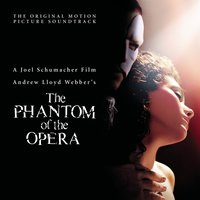
Información de la canción En esta página puedes leer la letra de la canción Overture / Hannibal de -Andrew Lloyd Webber
Canción del álbum: «Призрак Оперы»
En el género:Музыка из фильмов
Fecha de lanzamiento:09.12.2004
Idioma de la canción:Inglés
Sello discográfico:The Really Useful Group
Seleccione el idioma al que desea traducir:
¡Escribe lo que piensas sobre la letra!
Otras canciones del artista:
| Nombre | Año |
|---|---|
| 2012 | |
| 1980 | |
| 2013 | |
| 2018 | |
| 1969 | |
| 2018 | |
| 2013 | |
| 2018 | |
| 2013 | |
| 1969 | |
| 1986 | |
| 1969 | |
| 2013 | |
| 2005 | |
| 2005 | |
| 2005 | |
| 2013 | |
| 1969 | |
Pilate's Dream ft. "Jesus Christ Superstar" 1996 London Cast, david burt | 2005 |
| 2018 |