| Batoma (original) | Batoma (traducción) |
|---|---|
| Batoma, your child is crying | Batoma, tu hijo está llorando |
| Come take him | Ven a tomarlo |
| We sing. | Cantamos. |
| We dance. | Bailamos. |
| We shake. | Sacudimos. |
| We get a move on. | Nos ponemos en marcha. |
| Me, I don’t give a damn! | ¡A mí, me importa un carajo! |
| Batoma, your baby cries, Batoma | Batoma, tu bebé llora, Batoma |
| Batoma, everyone asks you, Batoma | Batoma, todos te preguntan, Batoma |
| Batoma, everyone calls you, Batoma | Batoma, todos te llaman, Batoma |
| Batoma, your baby cries, Batoma | Batoma, tu bebé llora, Batoma |
| Me, I don’t give a damn. | A mí, me importa un carajo. |
| If the child is crying, | Si el niño está llorando, |
| Give him your milk. | Dale tu leche. |
| If the namesake of my father is crying, | Si el tocayo de mi padre está llorando, |
| Give him your milk. | Dale tu leche. |
| If the namesake of my mother is crying, | Si el tocayo de mi madre está llorando, |
| Give her your milk. | Dale tu leche. |
| If the namesake of my grandfather is crying, | Si el tocayo de mi abuelo está llorando, |
| Give him your milk. | Dale tu leche. |
| If the namesake of my father-in-law is crying, | Si llora el tocayo de mi suegro, |
| Give him your milk. | Dale tu leche. |
| If the namesake of Baguayogo is crying, | Si el homónimo de Baguayogo está llorando, |
| Give him your milk. | Dale tu leche. |
| We sing. | Cantamos. |
| We dance. | Bailamos. |
| We shake. | Sacudimos. |
| We get a move on. | Nos ponemos en marcha. |
| Me, I don’t give a damn! | ¡A mí, me importa un carajo! |
| And if the namesake of the grandfather is crying? | ¿Y si el tocayo del abuelo está llorando? |
| Let him cry until he’s blue in the face. | Déjalo llorar hasta que esté azul en la cara. |
| Me, I don’t give a damn. | A mí, me importa un carajo. |
| And if the namesake of the grandmother is crying? | ¿Y si el tocayo de la abuela está llorando? |
| Let her cry until she’s blue in the face? | ¿Dejarla llorar hasta que tenga la cara azul? |
| Me, I don’t give a damn. | A mí, me importa un carajo. |
| And if the namesake of the nasty father-in-law is crying? | ¿Y si el tocayo del suegro desagradable está llorando? |
| Let him cry until he’s blue in the face. | Déjalo llorar hasta que esté azul en la cara. |
| Me, I don’t give a damn. | A mí, me importa un carajo. |
| And if the namesake of the nasty brother-in-law is crying? | ¿Y si el tocayo del cuñado desagradable está llorando? |
| Let him cry until he’s blue in the face. | Déjalo llorar hasta que esté azul en la cara. |
| Me, I don’t give a damn. | A mí, me importa un carajo. |
| And if the namesake of the nasty wife of the polygamist is crying. | Y si el homónimo de la desagradable esposa del polígamo está llorando. |
| Let her cry until she’s blue in the face. | Déjala llorar hasta que esté azul en la cara. |
| Me, I don’t give a damn. | A mí, me importa un carajo. |
| Batoma, your child is crying. | Batoma, tu hijo está llorando. |
| Come take him. | Ven a llevarlo. |
| We sing. | Cantamos. |
| We dance. | Bailamos. |
| We shake. | Sacudimos. |
| We get a move on. | Nos ponemos en marcha. |
| Me, I don’t give a damn! | ¡A mí, me importa un carajo! |
| If the children are crying | Si los niños están llorando |
| Carry them on your backs | Llévalos a la espalda |
| If the children are crying | Si los niños están llorando |
| Keep them quiet | mantenlos callados |
| If the children are crying | Si los niños están llorando |
| Take care of them | Cuida de ellos |
| Tjou! | Tjou! |
| Tjou! | Tjou! |
| Tjou! | Tjou! |
| Give him your milk | dale tu leche |
| Tjou! | Tjou! |
| Tjou! | Tjou! |
| Tjou! | Tjou! |
| Carry him on your back… | Llévalo en tu espalda... |
Traducción de la letra de la canción Batoma - Amadou & Mariam
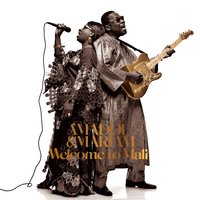
Información de la canción En esta página puedes leer la letra de la canción Batoma de -Amadou & Mariam
Canción del álbum: Welcome to Mali
En el género:R&B
Fecha de lanzamiento:16.11.2008
Idioma de la canción:Inglés
Sello discográfico:Because
Seleccione el idioma al que desea traducir:
¡Escribe lo que piensas sobre la letra!
Otras canciones del artista:
| Nombre | Año |
|---|---|
| 2006 | |
| 2008 | |
| 2017 | |
| 2021 | |
| 2007 | |
| 2012 | |
| 2006 | |
| 2017 | |
| 2006 | |
| 2006 | |
| 2006 | |
| 2012 | |
| 2017 | |
| 2006 | |
| 2010 | |
| 2004 | |
| 2017 | |
| 2012 | |
| 2006 | |
| 2006 |