| How Stands the Glass Around? (original) | How Stands the Glass Around? (traducción) |
|---|---|
| How stands the glass around? | ¿Cómo está el vaso alrededor? |
| For shame you take no care, my boys | Que verguenza no se cuidan mis muchachos |
| How stands the glass around? | ¿Cómo está el vaso alrededor? |
| Let wine and mirth abound | Que abunde el vino y la alegría |
| The trumpet sounds | suena la trompeta |
| The colors they do fly, my boys | Los colores que vuelan, mis muchachos |
| To fight, kill or wound | Pelear, matar o herir |
| As you would be found | Como serías encontrado |
| Connected with hard fare, my boys | Conectado con tarifa dura, mis muchachos |
| On the cold ground | En el suelo frío |
| Why, soldiers, why? | ¿Por qué, soldados, por qué? |
| Must we be melancholy boys | ¿Debemos ser chicos melancólicos? |
| Why, soldiers, why? | ¿Por qué, soldados, por qué? |
| Whose business is to die | cuyo negocio es morir |
| What sighing? | ¿Qué suspiro? |
| Fye! | ¡Vaya! |
| Drink on. | Bebe. |
| drown fear, be jolly, boys | ahoguen el miedo, sean alegres, muchachos |
| Tis he, you or I | Es él, tú o yo |
| Wet, hot, cold or dry | Húmedo, caliente, frío o seco |
| We’re always bound to follow, boys | Siempre estamos obligados a seguir, muchachos |
| And scorn to fly | y desprecio por volar |
| Tis but vain | Es pero vano |
| I mean not to upbraid you boys | No quiero reprenderlos, muchachos. |
| Tis but vain | Es pero vano |
| For a soldier to complain | Para que un soldado se queje |
| Should next campaign | Debería la próxima campaña |
| Send us to him that made us boys | Envíanos al que nos hizo muchachos |
| We’re free from pain | Estamos libres de dolor |
| But should we remain | Pero debemos permanecer |
| A bottle and kind landlady | Una botella y casera amable |
| Cures all again | cura todo de nuevo |
Traducción de la letra de la canción How Stands the Glass Around? - Wilderun
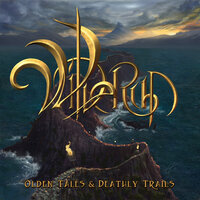
Información de la canción En esta página puedes leer la letra de la canción How Stands the Glass Around? de -Wilderun
Canción del álbum: Olden Tales & Deathly Trails
En el género:Фолк-метал
Fecha de lanzamiento:20.09.2012
Idioma de la canción:Inglés
Sello discográfico:Wilderun
Seleccione el idioma al que desea traducir: