| Die Geschichte Einer Mutter (original) | Die Geschichte Einer Mutter (traducción) |
|---|---|
| Sie hatte ein Kindlein | ella tuvo un hijo |
| So schwach, wie ein Keim unter’m Schnee | Tan débil como un germen bajo la nieve |
| Dann klopfte jemand an die Tür | Entonces alguien llamó a la puerta |
| Kam herein, nahm den Kleiner und fuhr | Entró, tomó al pequeño y condujo |
| …es war der Tod | ...era la muerte |
| She had a small child | ella tenia un niño pequeño |
| So weak, like a seed under the snow | Tan débil, como una semilla bajo la nieve |
| Then someone knocked at the door | Entonces alguien llamó a la puerta |
| Came in, took the small one and left | Entró, tomó el pequeño y se fue. |
| …it was Death | ...era la muerte |
| Sagt mir, Nacht und Wasser | Dime noche y agua |
| Wo’st mein Kind˜ | ¿Dónde está mi hijo? |
| Geh mal durch die Wälder | Ir a través del bosque |
| Und du findest’s | y lo encuentras |
| ''Tell me, Night and Water | ''Dime, Noche y Agua |
| Where’s my child˜'' | ¿Dónde está mi hijo? |
| ''Go at once through the woods | ''Ve de una vez por el bosque |
| And you’ll find him'' | Y lo encontrarás'' |
| Die Mutter, sie weinte | La madre, ella lloró |
| Und sie lief durch die Wälder so tief | Y ella corrió por el bosque tan profundo |
| Sie sah ein Treibhaus dort fern | Ella vio un invernadero por allí |
| Ging dahin, sie spürte ihr Kind war da | Fue allí, sintió que su hijo estaba allí |
| The mother cried | la madre lloro |
| And she ran through the woods so deep | Y ella corrió por el bosque tan profundo |
| She saw a hothouse in the distance | Ella vio un invernadero en la distancia |
| Went there, she felt her child was there | Fue allí, sintió que su hijo estaba allí |
| Sag mir, weiser Gärtner | Dime, sabio jardinero |
| Wo’st mein Kind˜ | ¿Dónde está mi hijo? |
| Such mal unter’n Blumen | Mira debajo de una flor |
| Und du findest’s | y lo encuentras |
| ''Tell me, wise gardener | ''Dime, sabio jardinero |
| Where’s my child ˜'' | donde esta mi hijo ˜'' |
| ''Search under the flowers | ''Busca debajo de las flores |
| And you’ll find him'' | Y lo encontrarás'' |
| Sie fand ihr Kindlein | Ella encontró a su hijo |
| Kleiner Keim, mit dem Puls so schwach | Pequeño germen, con el pulso tan débil |
| Dann kam der Tod in das Treibhaus | Entonces la muerte entró en el invernadero. |
| Es blieb kalt, ihre Hände kalt wie Eis. | Permaneció frío, sus manos frías como el hielo. |
| She found her child | Ella encontró a su hijo |
| The small little seed, with a pulse so weak | La pequeña semillita, con un pulso tan débil |
| Then Death entered the hothouse | Entonces la Muerte entró en el invernadero |
| It grew cold, her hands cold as ice | Se enfría, sus manos son frías como el hielo |
| Hör mal, arme Mutter | Escucha, pobre madre |
| Dein Liebling | Su querido |
| Hätte nie gesund und froh gelebt | Nunca habría vivido sano y feliz. |
| Reich mir dieses Keimchen, bitte dich | Pásame esta semilla, por favor |
| Und sein Herzchen sende ruh. | Y su corazoncito manda descanso. |
| ''Listen to me, poor mother | ''Escúchame, pobre madre |
| Your darling | Su querido |
| Would never have a healthy and joyfull life | Nunca tendría una vida sana y alegre. |
| Hand me this little seedling, I beg you | Pásame esta pequeña plántula, te lo ruego |
| And put his little heart to rest.'' | Y pon su pequeño corazón a descansar”. |
| The booklet says «woh'st», clearly a typo | El folleto dice «woh'st», claramente un error tipográfico. |
| The child can be either a girl or boy in the German version | El niño puede ser niña o niño en la versión alemana. |
| I believe this was meant to be «Es wurde kalt». | Creo que esto estaba destinado a ser «Se estaba poniendo frío». |
| «Werden», «bleiben» and «sein» | «Convertirse», «permanecer» y «ser» |
| are easily mixed | se mezclan facilmente |
| Up | arriba |
| Anneli sings «herzen» which means «heart», not «little heart» | Anneli canta «herzen» que significa «corazón», no «pequeño corazón» |
| Translation by Anne Deslattes, some adjustments by Ulrich Grepel and Kjetil T. | Traducción de Anne Deslattes, algunos ajustes de Ulrich Grepel y Kjetil T. |
| Homme | hombre |
Traducción de la letra de la canción Die Geschichte Einer Mutter - Bel Canto
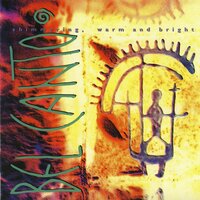
Información de la canción En esta página puedes leer la letra de la canción Die Geschichte Einer Mutter de -Bel Canto
Canción del álbum: Shimmering, Warm and Bright
En el género:Поп
Fecha de lanzamiento:31.12.1991
Idioma de la canción:Alemán
Sello discográfico:Continuum
Seleccione el idioma al que desea traducir:
¡Escribe lo que piensas sobre la letra!
Otras canciones del artista:
| Nombre | Año |
|---|---|
| 1991 | |
| 1989 | |
| 1991 | |
| 1991 | |
| 1991 | |
| 1991 | |
| 1991 | |
| 1989 | |
| 1991 | |
| 1991 | |
| 1989 | |
| 2008 | |
| 1986 | |
| 1986 | |
| 1989 | |
| 1989 | |
| 2003 | |
| 1997 | |
| 1997 | |
| 1997 |