| Derwentwater's Farewell (original) | Derwentwater's Farewell (traducción) |
|---|---|
| Farewell to pleasant Dilston | Adiós al agradable Dilston |
| My father’s ancient seat | El antiguo asiento de mi padre |
| A stranger must now call thee his | Un extraño ahora debe llamarte su |
| Which gars my heart to greet; | que me anima a saludar; |
| Farewell each friendly well known face | Adiós a cada cara amable y conocida. |
| My heart has held so dear | Mi corazón ha tenido tanto cariño |
| My tenants now must leave their lands | Mis arrendatarios ahora deben dejar sus tierras |
| Or hold their lives in fear | O mantener sus vidas en el miedo |
| No more along the banks of Tyne | No más a lo largo de las orillas del Tyne |
| I’ll rove in autumn grey | Viajaré en gris otoño |
| No more I’ll hear at early dawn | No más oiré en la madrugada |
| The lav’rocks wake the day; | Las rocas de lava despiertan el día; |
| And who shall deck the hawthorn bower | ¿Y quién cubrirá la enramada de espino |
| Where my fond children strayed? | ¿Dónde se extraviaron mis queridos hijos? |
| And who, when spring shall bid it flower | y quien, cuando la primavera le mande florecer |
| Shall sit beneath the shade? | ¿Se sentará bajo la sombra? |
| And fare thee well, George Collingwood | Y que te vaya bien, George Collingwood |
| Since fate has put us down | Ya que el destino nos ha derribado |
| If thou and I have lost our lives | Si tu y yo hemos perdido la vida |
| Our King has lost his crown; | Nuestro Rey ha perdido su corona; |
| But when the head that wears the crown | Pero cuando la cabeza que lleva la corona |
| Shall be laid low like mine | Será abatido como el mío |
| Some honest hearts may then lament | Algunos corazones honestos pueden entonces lamentarse |
| For Radcliffe’s fallen line | Para la línea caída de Radcliffe |
| Farewell, farewell, my lady dear | Adiós, adiós, mi señora querida |
| Ill, ill, thou councell’dst me | Enfermo, enfermo, me aconsejaste |
| I never more may see the babe | Nunca más puedo ver al bebé |
| That smiles at your knee; | que sonríe a tu rodilla; |
| Then fare ye well brave Widdrington | Entonces que te vaya bien valiente Widdrington |
| And Foster ever true; | Y Foster siempre fiel; |
| Dear Shaftsbury and Errington | Estimados Shaftsbury y Errington |
| Receive my last adieu | Recibe mi último adiós |
| And fare thee well my bonny grey steed | Y que te vaya bien mi hermoso corcel gris |
| That carried me aye so free | Eso me llevó, sí, tan libre |
| I wish I’d been asleep in my bed | Ojalá hubiera estado dormido en mi cama |
| Last time I mounted thee; | la última vez te monté; |
| The warning bell now bids me cease | La campana de advertencia ahora me dice que cese |
| My trouble’s nearly oer | Mi problema está casi terminado |
| Yon sun that rises from the sea | Yon sol que se eleva desde el mar |
| Shall rise on me no more | no se levantará más sobre mí |
| And when the head that wears a crown | Y cuando la cabeza que lleva una corona |
| Shall be laid low like mine | Será abatido como el mío |
| Some honest hearts may then lament | Algunos corazones honestos pueden entonces lamentarse |
| For Radcliffe’s fallen line | Para la línea caída de Radcliffe |
| Farewell to pleasant Dilston hall | Adiós al agradable salón Dilston |
| My father’s ancient seat | El antiguo asiento de mi padre |
| A stranger now must call thee his | Un extraño ahora debe llamarte su |
| Which gars my heart to greet | que me anima el corazón a saludar |
Traducción de la letra de la canción Derwentwater's Farewell - The Corries
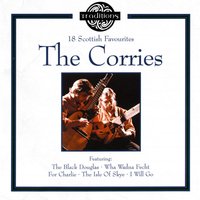
Información de la canción En esta página puedes leer la letra de la canción Derwentwater's Farewell de -The Corries
Canción del álbum: Traditions
En el género:Поп
Fecha de lanzamiento:27.11.2008
Idioma de la canción:Inglés
Sello discográfico:Parlophone
Seleccione el idioma al que desea traducir:
¡Escribe lo que piensas sobre la letra!
Otras canciones del artista:
| Nombre | Año |
|---|---|
| 1969 | |
| 2003 | |
| 2003 | |
| 2003 | |
| 2008 | |
| 2008 | |
| 2003 | |
| 2008 | |
| 2003 | |
| 2008 | |
| 2008 | |
| 2003 | |
| 2003 | |
| 2014 | |
| 2004 | |
| 1969 | |
| 1969 | |
| 1969 | |
| 1969 | |
| 2004 |