| Aoede (original) | Aoede (traducción) |
|---|---|
| Lorn and tynTd fro my wame — | Lorn y tynTd de mi wame— |
| «Seech I more perforce indeed: | «Busco yo con más fuerza de hecho: |
| Lap I of thee: Thou art want. | Regazo de ti: eres pobre. |
| With dulcet gust thine floret, | Con dulce ráfaga tu florete, |
| Which I yet would not do — | lo que todavía no haría, |
| Pray I thee for thine avail — | Te ruego por tu provecho: |
| Lave me in it; | Lávame en él; |
| I want more! | ¡Quiero más! |
| For my loe, not be adust. | Por mi loe, no seas adusto. |
| Come see as the wind: Chant — | Ven a ver como el viento: Canta— |
| I let thee come in — | Te dejo entrar |
| Come see as the wind, Aode. | Ven a ver como el viento, Aode. |
| As of lote — upon thee dote, | Como de suerte, sobre ti cariño, |
| Lowing «tis, true forsooth, | Lowing «tis, cierto en verdad, |
| Tisn"t a tongue, nay merely mote, | No es una lengua, no es simplemente una mota, |
| Thou art grandly mae than couth»: | Eres mucho más mae que couth»: |
| Eft and e"er doth it eke — | Eft y e"er lo hace eke - |
| I am what I do behold. | Soy lo que hago, mira. |
| For my loe, not be adust. | Por mi loe, no seas adusto. |
| Come see as the wind: Chant — | Ven a ver como el viento: Canta— |
| I let thee come in — | Te dejo entrar |
| Come see as the wind, Aode. | Ven a ver como el viento, Aode. |
Traducción de la letra de la canción Aoede - Theatre Of Tragedy
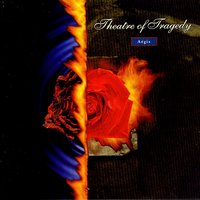
Información de la canción En esta página puedes leer la letra de la canción Aoede de -Theatre Of Tragedy
Canción del álbum: Aégis
Fecha de lanzamiento:31.12.1997
Idioma de la canción:Inglés
Sello discográfico:Massacre
Seleccione el idioma al que desea traducir:
¡Escribe lo que piensas sobre la letra!
Otras canciones del artista:
| Nombre | Año |
|---|---|
| 2002 | |
| 1997 | |
| 2006 | |
| 1997 | |
| 2000 | |
| 2006 | |
| 2002 | |
| 2002 | |
| 2000 | |
| 1995 | |
| 1997 | |
| 2002 | |
| 1997 | |
| 2002 | |
| 1997 | |
| 1997 | |
| 2006 | |
| 2006 | |
| 2002 | |
| 2000 |