| Outro (original) | Outro (traducción) |
|---|---|
| Yeah but sometimes, you see, it’s not that easy, you know what I mean? | Sí, pero a veces, verás, no es tan fácil, ¿sabes a lo que me refiero? |
| Not all the cupcakes and Jesus juice like you might assume | No todas las magdalenas y el jugo de Jesús como podrías suponer |
| Yeah a lot of times, I’ll admit it, it’s not easy being handsome | Sí, muchas veces, lo admito, no es fácil ser guapo. |
| Being a model, being a graduate even of the Handsome Boy Modeling School | Ser modelo, ser un graduado incluso de la Escuela de Modelaje Handsome Boy |
| Cause they… they pick on you, they make you… you know… say, «You gotta go on | Porque ellos... te molestan, te hacen... ya sabes... decir: «Tienes que seguir |
| the runway.» | La pasarela." |
| Then two minutes later, you have to change and go again | Luego, dos minutos después, tienes que cambiarte y volver |
| And the restroom is full, yeah, but they, you know you have… | Y el baño está lleno, sí, pero ellos, sabes que tienes... |
| Can’t get into the restrooms then they say, «You walk so slow this time, you, | No pueden entrar a los baños y luego dicen: «Esta vez caminas tan lento, tú, |
| steps, uh, too tiny.» | pasos, eh, demasiado pequeños.» |
| This what they say, «Tiny steps.» | Esto es lo que dicen, «Pequeños pasos». |
| Well yes, tiny steps, you eh walk with your legs crossed together tiny steps if | Pues si, pasitos, tu eh caminas con las piernas cruzadas pasitos si |
| you couldn’t get into the restroom! | ¡No podías entrar al baño! |
| What do you want, you know? | ¿Qué quieres, sabes? |
| I said, «Let me go in last.» | Dije: «Déjame entrar el último». |
| If, for instance, there is some, eh, problem, you know, on the stage | Si, por ejemplo, hay algún, eh, problema, ya sabes, en el escenario |
| If… if there is… no… no one will slip on it, is what I’m saying, | Si… si hay… no… nadie se va a resbalar, es lo que digo, |
| you know what I mean? | ¿usted sabe lo que quiero decir? |
| So let me go on last. | Así que déjame continuar al final. |
| They says, «No, you have to… | Dicen: «No, tienes que… |
| Mr. Zack has to go on last to take the big bow,» you know, like he did something | El Sr. Zack tiene que ser el último en hacer la gran reverencia», ya sabes, como si hubiera hecho algo |
| You know what I mean? | ¿Usted sabe lo que quiero decir? |
| He stole everybody else’s clothes designs | Robó los diseños de ropa de todos los demás. |
| What? | ¿Qué? |
| He takes the bow, he slips, it’s not my fault, it… | Toma el arco, se resbala, no es mi culpa, es... |
| It was so crowded they couldn’t get into the men’s room and I should get paid, | Estaba tan lleno que no podían entrar al baño de hombres y me deberían pagar, |
| it’s all I know | es todo lo que sé |
| Since I’ve graduated, I uh… I got to say uh… I will say nine out of ten jobs | Desde que me gradué, yo eh... tengo que decir eh... Diré nueve de cada diez trabajos |
| Just… just, you know, just marvelous, everybody so nice to you | Simplemente... simplemente, ya sabes, simplemente maravilloso, todo el mundo es tan bueno contigo |
| They. | Ellos. |
| they can’t treat you better but every once a while you run into, like, | no pueden tratarte mejor, pero de vez en cuando te encuentras con, como, |
| this jerk, you know, like Mr. Zack | este idiota, ya sabes, como el Sr. Zack |
| You know, and he slips on the runway and says it’s all my fault | Ya sabes, y se resbala en la pista y dice que todo es mi culpa. |
| When you can’t even get into the restroom cause there’s too many people lined | Cuando ni siquiera puedes entrar al baño porque hay demasiada gente en fila |
| up and they say, «You're on the runway next.» | arriba y dicen: «Tú eres el siguiente en la pista». |
| Yeah, sometimes it gets to be a little lonely, alone in the hotel room when you | Sí, a veces se vuelve un poco solitario, solo en la habitación del hotel cuando |
| just waiting for a show to come up | solo esperando que aparezca un programa |
| They, they pick you up at the airport and then they say | Ellos, te recogen en el aeropuerto y luego te dicen |
| «Just see you in the morning.» | «Solo nos vemos en la mañana». |
| Then they don’t even make no plans for you to go | Entonces ni siquiera hacen planes para que vayas |
| some place | algún lugar |
| And you gotta go there and there’s so many people | Y tienes que ir allí y hay tanta gente |
| They give you clothes, half the time they don’t even fit | Te dan ropa, la mitad de las veces ni te queda |
| And then, it’s just all the jealousy cause, you know, if you’re handsome and | Y luego, son solo la causa de los celos, ya sabes, si eres guapo y |
| that and other ones, they… | eso y otros, ellos… |
| They treat you, you know, somehow like they jealous of you | Te tratan, ya sabes, de alguna manera como si estuvieran celosos de ti |
| Just cause, you know, you’re a little more handsome then them | Solo porque, ya sabes, eres un poco más guapo que ellos. |
| And then they… they eat all of the food | Y luego ellos... ellos comen toda la comida |
| They eat, there’s no food left, you know | Comen, no queda comida, ya sabes |
| They say, «Jesus juice.» | Dicen: «jugo de Jesús». |
| Very funny. | Muy divertido. |
| You know, they have the Jesus juice | Ya sabes, tienen el jugo de Jesús |
| It’s a terrible wine. | Es un vino terrible. |
| They just call it to make it glamorous or something | Solo lo llaman para hacerlo glamoroso o algo |
| And the food stinks. | Y la comida apesta. |
| Usually, this… this junk, you know? | Por lo general, esta... esta basura, ¿sabes? |
| Even… even if you like to eat, you couldn’t eat it | Incluso... incluso si te gusta comer, no podrías comerlo |
| Then they said they gonna pick you up to take you back to the airport | Luego dijeron que te iban a recoger para llevarte de regreso al aeropuerto |
| They don’t even show, they have… they… they… they… said, they, you know | Ni siquiera aparecen, tienen... ellos... ellos... ellos... dijeron, ellos, ya sabes |
| «The hotel’s got the van, you could go.» | «El hotel tiene la furgoneta, puedes irte». |
| They said they would pick me up | Dijeron que me recogerían |
| Why do I have the van? | ¿Por qué tengo la furgoneta? |
| And they don’t reimburse you, like they say | Y no te reembolsan, como dicen |
| They say, «Well you ate so much.» | Dicen: «Bueno, comiste tanto». |
| You know, I don’t know | Tu sabes, yo no se |
| I like to… and then the catalogs… they don’t even send it to you when you done | Me gusta… y luego los catálogos… ni te lo mandan cuando terminas |
| with them | con ellos |
| You know, like who wants me anyway. | Ya sabes, como quién me quiere de todos modos. |
| What? | ¿Qué? |
| They say they gonna have a hair stylist there, there ain’t no hair stylist, | Dicen que van a tener un estilista allí, no hay ningún estilista, |
| you know? | ¿sabes? |
| One, maybe, yes, for what, 50 people, you know what I mean? | Uno, tal vez, sí, para cuánto, 50 personas, ¿sabes a lo que me refiero? |
| «You gotta bring | «Tienes que traer |
| your own scissors too,» They say | tus propias tijeras también», dicen |
| They have… they misplaced my scissors. | Han... han extraviado mis tijeras. |
| What? | ¿Qué? |
| Whoever heard of a hair stylist | Quien haya oído hablar de un estilista |
| has no scissors? | no tiene tijeras? |
| They say, «We just style it, we don’t cut it.» | Dicen: «Simplemente lo diseñamos, no lo cortamos». |
| What? | ¿Qué? |
| In Italy, they have to cut, | En Italia tienen que cortar, |
| you know what I mean? | ¿usted sabe lo que quiero decir? |
| A barber is a what, a hair stylist, it means barber. | Un barbero es un qué, un peluquero, significa barbero. |
| No, what, you mean, | No, qué, quieres decir, |
| no… cut? | ¿Sin corte? |
| My own mousse? | ¿Mi propia mousse? |
| What? | ¿Qué? |
| Think I have my own mousse? | ¿Crees que tengo mi propia mousse? |
| I have no mousse | no tengo mousse |
| Sometimes, like, if you… if you wet and then you socks get wet | A veces, como, si tú... si te mojas y luego tus calcetines se mojan |
| Then you have no other socks with you, you know what I mean? | Entonces no tienes otros calcetines contigo, ¿sabes a lo que me refiero? |
| Turn them inside out? | ¿Darles la vuelta? |
| No, doesn’t work. | No, no funciona. |
| They say, «Change your socks,» they say | Dicen, «cámbiate de calcetines», dicen |
| Yes, the one for two dollar one? | Sí, ¿el de dos dólares uno? |
| What? | ¿Qué? |
| I have no, deh, in the hotel room | No tengo, deh, en la habitación del hotel |
| It’s fifty miles from here out near the boondocks | Está a cincuenta millas de aquí, cerca de los barrios bajos |
| And they put you next to a place near Sears, I go to Sears for breakfast | Y te ponen al lado de un lugar cerca de Sears, yo voy a Sears a desayunar |
| You know, once I was a model for socks | Sabes, una vez fui modelo de calcetines |
| And I thought, you know, this is a good, eh… modeling for socks… it’s good | Y pensé, ya sabes, este es un buen, eh... modelo para calcetines... es bueno |
| You don’t have to, you know eh… get all cleaned up the night before, you know | No tienes que hacerlo, ya sabes eh… limpiar todo la noche anterior, ya sabes |
| That’s one good thing. | Eso es algo bueno. |
| You know, you could go unshaved and that | Ya sabes, podrías ir sin afeitar y eso |
| Then they says, «Well, you can’t do shoes.» | Luego dice: «Bueno, no puedes hacer zapatos». |
| I say, «What?» | ¿Yo digo que?" |
| They say, «No, if you… if you did socks, then you can’t be model for shoes | Dicen: «No, si tú… si hiciste calcetines, entonces no puedes ser modelo de zapatos |
| That’s the rules.» | Esas son las reglas.» |
| Who says this? | ¿Quien dice esto? |
| Who makes these things up? | ¿Quién inventa estas cosas? |
| That if you’re a sock model, you can’t do shoes | Que si eres modelo de calcetines, no puedes hacer zapatos |
| You have to… only the shoe models can do shoes. | Tienes que… solo los modelos de zapatos pueden hacer zapatos. |
| This is just makes me sick | Esto solo me enferma |
| I just… I just turned down a job. | Yo solo... acabo de rechazar un trabajo. |
| They said they were looking for a | Dijeron que estaban buscando un |
| handkerchief model | modelo de pañuelo |
| I say, «I could do it.» | Yo digo: «Yo podría hacerlo». |
| They says, «What, you left handed or right handed? | Dicen: «¿Qué, eres zurdo o diestro? |
| «I says, «Right handed.» | «Yo digo, «diestro». |
| They says, «No, you have to be left handed.» | Dicen: «No, tienes que ser zurdo». |
| I said I could do it. | Dije que podía hacerlo. |
| They says, «No, you says you was right handed.» | Dicen: «No, dices que eras diestro». |
| I says, «I made a mistake. | Yo digo: «Cometí un error. |
| I’m left handed.» | Soy zurdo.» |
| They says, «Prove it. | Dicen: «Pruébalo. |
| «How am I gonna prove this, you know what I mean? | «¿Cómo voy a probar esto, sabes a lo que me refiero? |
| So I take my handkerchief off from my left hand, right? | Así que me quito el pañuelo de la mano izquierda, ¿no? |
| They said, | Ellos dijeron, |
| «You didn’t do that very smooth.» | «No lo hiciste muy bien». |
| I say, «OK, lemme try again.» | Yo digo: "Está bien, déjame intentarlo de nuevo". |
| They say, «Why do you have to try again? | Dicen: «¿Por qué tienes que volver a intentarlo? |
| You left handed, you do it.» | Zurdo, lo haces.» |
| I said, «Just shut up and gimme the uh… the Kleenex. | Dije: «Solo cállate y dame el eh… el Kleenex. |
| Let me show you with | Déjame mostrarte con |
| Kleenex | kleenex |
| I won’t ruin another one of my hankies.» | No arruinaré otro de mis pañuelos.» |
| Anyway, I’m just… I don’t know what that did | De todos modos, solo estoy... No sé qué hizo eso |
Traducción de la letra de la canción Outro - Handsome Boy Modeling School
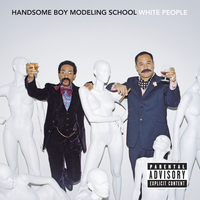
Información de la canción En esta página puedes leer la letra de la canción Outro de -Handsome Boy Modeling School
En el género:Рэп и хип-хоп
Fecha de lanzamiento:31.08.2004
Idioma de la canción:Inglés
Seleccione el idioma al que desea traducir:
¡Escribe lo que piensas sobre la letra!
Otras canciones del artista:
| Nombre | Año |
|---|---|
| 1998 | |
| 2004 | |
Holy Calamity [Bear Witness II] ft. Gordon Shumway | 1998 |
| 2004 | |
| 2004 | |
| 2004 | |
| 1998 | |
| 1998 | |
| 2012 | |
| 1998 | |
| 2004 | |
| 2004 | |
| 2004 | |
| 1998 | |
| 1998 | |
| 2004 | |
| 1998 | |
Waterworld ft. Encore | 1998 |
Torch Song Trilogy ft. Sensational | 1998 |
| 2004 |