| Mr Charlie - Parts 1 & 2 (original) | Mr Charlie - Parts 1 & 2 (traducción) |
|---|---|
| Once in the country there was a little boy; | Una vez en el campo había un niño pequeño; |
| every morning that he would go to | todas las mañanas que iba a |
| the table with his little two sisters and brothers, you know, he would go there, | la mesa con sus dos hermanas y hermanos pequeños, ya sabes, él iría allí, |
| he couldn’t talk but his mother didn’t know what was wrong with him so… | no podía hablar, pero su madre no sabía qué le pasaba, así que... |
| she would go to the table in the morning, she would fix for breakfast, | Iba a la mesa por la mañana, preparaba el desayuno, |
| she’d fix toast and coffee, enough, coffee for the tin, toast for the eggs for | preparaba tostadas y café, suficiente, café para la lata, tostadas para los huevos para |
| the church, then she would ask and say, «what you want this morning? | la iglesia, entonces ella preguntaba y decía, «¿qué quieres esta mañana? |
| «Oh mama, toast and milk, you know things like that you know. | «Ay mamá, tostadas y leche, tú sabes cosas así tú sabes. |
| But the little | Pero el pequeño |
| old boy he couldn’t talk good, so she asked him say «what you want son»? | Viejo, él no podía hablar bien, así que ella le preguntó: "¿qué quieres, hijo?". |
| Said «sa-sa-a I want-t t-t-t-» She said «Hush». | Dijo «sa-sa-a quiero-t t-t-t-» Ella dijo «Silencio». |
| Say «I tell you what to do. | Di «Te digo lo que tienes que hacer. |
| You just hush, I just go bring you what I bring the rest of 'em, | Solo cállate, solo voy a traerte lo que traigo al resto de ellos, |
| cause one of these days I’m gonna learn you how to talk.» | porque uno de estos días te voy a aprender a hablar.» |
| She goin' back and she fixes, the next morning same thing. | Ella regresa y arregla, a la mañana siguiente lo mismo. |
| «So what would you | «Entonces, ¿qué harías |
| children want this morning?» | niños quieren esta mañana?» |
| «Butter 'n toast mama.» | «Mantequilla y pan tostado, mamá». |
| Get around to the little | Muévete por el pequeño |
| old boy, say «What you want»? | Viejo, di «¿Qué quieres?» |
| He say, «bu-bu-bu- bu-bu-bu…» she say «Lord, | Él dice, «bu-bu-bu-bu-bu-bu…» ella dice «Señor, |
| have mercy,» that’s what mama said and she walked away, say «wonder what’s | ten piedad", eso es lo que mamá dijo y ella se alejó, decir "me pregunto qué es |
| wrong with my child?» | mal con mi hijo?» |
| He heard her. | Él la escuchó. |
| But you know the little boy couldn’t do no better. | Pero sabes que el niño no pudo hacerlo mejor. |
| So after he’d find out that mama couldn’t understand him, and he couldn’t | Entonces, después de descubrir que mamá no podía entenderlo, y él no podía |
| understand the way his mama was doin' him, he packed up his little flower sack, | entender la forma en que su mamá lo estaba haciendo, empacó su pequeño saco de flores, |
| and he decide that he would leave | y decidio que se iria |
| So when he left, on his way, he run up on a old rollin' mill, what they call | Así que cuando se fue, en su camino, se topó con un viejo laminador, lo que llaman |
| Mister Charlie’s. | La del señor Charlie. |
| So he walked up to mister Charlie, mister Charlie was workin' | Así que se acercó al señor Charlie, el señor Charlie estaba trabajando |
| round in his rose bushes 'n things… so he taps him: «mi-mi-mi…» say «Mister! | ronda en sus rosales y cosas... así que le da un golpecito: «mi-mi-mi...» dice «¡Señor! |
| «But he didn’t know his name that time. | «Pero él no sabía su nombre esa vez. |
| The man straightened up and said «my name is mister Charlie». | El hombre se enderezó y dijo «mi nombre es señor Charlie». |
| He say «mi-mi-ch-ch-ch-ch-» He said «but boy I ain’t got to fool with you, you can’t work.» | Él dijo "mi-mi-ch-ch-ch-ch-" Él dijo "pero chico, no tengo que jugar contigo, no puedes trabajar". |
| He said, «me-me can work! | Él dijo: «¡yo-yo puedo trabajar! |
| So the man went on workin' and he’d tap him again. | Así que el hombre siguió trabajando y lo golpeó de nuevo. |
| He said «me-me-me wanna home» | Él dijo "yo-yo-yo quiero estar en casa" |
| . | . |
| He said «look, boy, I’ve got a old bunk house out in the back,» said «and if you promise me that you will stay in this bunk house, and watch my mill, | Él dijo: "Mira, muchacho, tengo un viejo barracón en la parte de atrás", dijo "y si me prometes que te quedarás en este barracón y vigilarás mi molino, |
| and keep the fire from burning my mill down,» say «I live two blocks up the | y evitar que el fuego queme mi molino", dice "vivo dos cuadras más arriba". |
| road,» say «and if you see the mill’s on fire, say you run up and tell me the | camino", di "y si ves que el molino está en llamas, di que corres y me dices el |
| mill’s on fire, you got a home and meal as long as I’ve got it.» | el molino está en llamas, tienes un hogar y comida mientras yo lo tenga.» |
| «Ta-ta-ta-ta-thank you mister Charlie.» | «Ta-ta-ta-ta-gracias, señor Charlie». |
| So the little old boy went to bunkin' | Así que el viejito se fue a la litera |
| that night | esa noche |
| Sho' enough, late one Sunday morning, mister Charlie’s mill caught on fire. | Suficientemente, un domingo por la mañana, el molino del señor Charlie se incendió. |
| Which he’d forgot about what he had told the little boy. | Que se había olvidado de lo que le había dicho al niño. |
| The little boy run up | El niño corre hacia arriba |
| to him, he was cleaning out his front yard, makin' it beautiful with them rose | para él, estaba limpiando su patio delantero, haciéndolo hermoso con las rosas |
| bushes, you know with them red rose bushes you know how to keep 'em red those | arbustos, sabes con ellos rosales rojos sabes cómo mantenerlos rojos esos |
| rose bushes, and the little boy run up there, tapped him on his back, | rosales, y el niño corrió hacia allí, le dio un golpecito en la espalda, |
| and he raised up and said «Hey son, why here’s you again.» | y se levantó y dijo «Oye hijo, por qué aquí estás otra vez». |
| «Ye-ye-ye-ye-ye-ye-ye» and he was pointing back toward the mill, | «Ye-ye-ye-ye-ye-ye-ye» y señalaba hacia el molino, |
| tryin' to tell him his rollin' mill was on fire. | tratando de decirle que su laminador estaba en llamas. |
| So mister Charlie said, «I ain’t got time to fool with you.» | Así que el señor Charlie dijo: "No tengo tiempo para jugar contigo". |
| So the little boy stuttered too bad for him | Así que el niño tartamudeó muy mal para él. |
| to understand. | comprender. |
| So mister Charlie stooped over him again, he pat him on the back, | Así que el señor Charlie se inclinó sobre él de nuevo, le dio una palmadita en la espalda, |
| said «ye-ye-ye-ye-your ro-ro-» he said «Wait a minute.» | dijo «ye-ye-ye-ye-your ro-ro-» dijo «Espera un minuto». |
| He said, «if you can’t talk you must sing», and he hollered: | Dijo, «si no puedes hablar, debes cantar», y gritó: |
| (sung) | (cantado) |
| Whooooooa mister Charlie, do you know your rolling mill is burnin' down? | Whooooooa, señor Charlie, ¿sabe que su tren de laminación se está quemando? |
| Mister Charlie, do you know your rolling mill is burnin' down? | Señor Charlie, ¿sabe que su tren de laminación se está quemando? |
| Mister Charlie said if you ain’t got no water boy, just let that old mill burn | El señor Charlie dijo que si no tienes agua, chico, deja que ese viejo molino se queme |
| on down | Hacía abajo |
| Little boy was lonesome, he walked off and cried, he said, | El niño estaba solo, se alejó y lloró, dijo: |
| He walked back and he said it one more time | Regresó y lo dijo una vez más |
| Whooooooooa mister Charlie, I won’t have no place to stay | Whooooooooa señor Charlie, no tendré lugar para quedarme |
| Mister Charlie, I won’t have no place to stay | Señor Charlie, no tendré lugar para quedarme |
| Mister Charlie said Boy, you’ll have a home with me, just as long as there is a | El señor Charlie dijo Chico, tendrás un hogar conmigo, siempre y cuando haya un |
| day | día |
| Little boy sighed and he tell it one more time | El niño suspiró y lo dijo una vez más |
| He hollered at him: | Le gritó: |
| Whooooooa mister Charlie, do you know your rolling mill is burnin' down? | Whooooooa, señor Charlie, ¿sabe que su tren de laminación se está quemando? |
| Mister Charlie, do you know your rolling mill is burnin' down? | Señor Charlie, ¿sabe que su tren de laminación se está quemando? |
| Mister Charlie said, «If you ain’t got no water boy, just let that old mill | El señor Charlie dijo: «Si no tienes agua, muchacho, deja que ese viejo molino |
| burn on down» | quemar abajo» |
Traducción de la letra de la canción Mr Charlie - Parts 1 & 2 - Lighnin' Hopkins
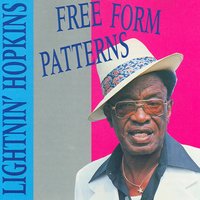
Información de la canción En esta página puedes leer la letra de la canción Mr Charlie - Parts 1 & 2 de -Lighnin' Hopkins
En el género:Иностранный рок
Fecha de lanzamiento:22.07.2009
Idioma de la canción:Inglés
Seleccione el idioma al que desea traducir:
¡Escribe lo que piensas sobre la letra!
Otras canciones del artista:
| Nombre | Año |
|---|---|
| 1971 | |
| 2019 | |
| 1990 | |
| 1988 | |
| 2024 | |
| 1971 | |
| 2024 | |
| 2005 | |
| 2005 | |
| 2017 | |
| 2005 | |
| 2005 | |
| 2013 | |
| 2009 | |
| 2013 | |
| 2016 |