| A Valediction: Of Weeping (original) | A Valediction: Of Weeping (traducción) |
|---|---|
| Let me pour forth | Déjame derramar |
| My tears before thy face, whilst I stay here, | Mis lágrimas ante tu rostro, mientras estoy aquí, |
| For thy face coins them, and thy stamp they bear, | Porque tu rostro los acuña, y tu sello llevan, |
| And by this mintage they are something worth, | Y por esta acuñación son algo que valen, |
| For thus they be Pregnant of thee; | Porque así serán Embarazados de ti; |
| Fruits of much grief they are, emblems of more, | Frutos de mucho dolor son, emblemas de más, |
| When a tear falls, that thou fall’st which it bore, | Cuando cae una lágrima, que caes tú que ella llevó, |
| So thou and I are nothing then, | Así que tú y yo no somos nada entonces, |
| When on a divers shore. | Cuando en una orilla de buzos. |
| On a round ball | En una bola redonda |
| A workman that hath copies by, can lay | Un obrero que tiene copias por, puede poner |
| An Europe, Afric, and an Asia, | Una Europa, África y una Asia, |
| And quickly make that, which was nothing, all. | Y rápidamente hacer eso, que era nada, todo. |
| So doth each tear, | así cada lágrima, |
| Which thee doth wear, | que tú vistes, |
| A globe, yea world by that impression grow, | Un globo, sí, un mundo por esa impresión crece, |
| Till thy tears mix’d with mine do overflow | hasta que tus lágrimas se mezclen con las mías se desborden |
| This world, by waters sent from thee, my heaven dissolved so. | Este mundo, por las aguas enviadas por ti, mi cielo se disolvió así. |
| O more than moon, | Oh más que la luna, |
| Draw not up seas to drown me in thy sphere; | No levantes mares para ahogarme en tu esfera; |
| Weep me not dead, in thine arms, but forebear | No me llores muerto, en tus brazos, sino antepasado |
| To teach the sea, what it may do too soon; | Para enseñar al mar, lo que puede hacer demasiado pronto; |
| Let not the wind | no dejes que el viento |
| Examples find, | Ejemplos encuentran, |
| To do me more harm, than it purposeth; | Para hacerme más daño de lo que se propone; |
| Since thou and I sigh one another’s breath, | Ya que tú y yo suspiramos el uno al otro, |
| Whoe’er sighs most, is cruellest, and hastes the other’s death. | El que más suspira es el más cruel y apresura la muerte del otro. |
Traducción de la letra de la canción A Valediction: Of Weeping - Ketil Bjørnstad, Randi Stene, Lars Anders Tomter
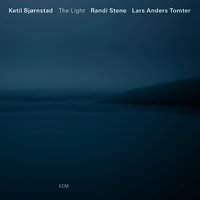
Información de la canción En esta página puedes leer la letra de la canción A Valediction: Of Weeping de -Ketil Bjørnstad
Canción del álbum: The Light
En el género:Джаз
Fecha de lanzamiento:22.05.2008
Idioma de la canción:Inglés
Sello discográfico:ECM
Seleccione el idioma al que desea traducir:
¡Escribe lo que piensas sobre la letra!
Otras canciones del artista:
| Nombre | Año |
|---|---|
| 1999 | |
| 2003 | |
| 2003 | |
| 2003 | |
| 2003 | |
| 2003 | |
| 2003 | |
| 2003 | |
| 2003 | |
| 2003 | |
| 1990 | |
Sommernatt Ved Fjorden (By The Fjord) ft. Randi Stene, Lars Anders Tomter | 2008 |
The Prohibition ft. Randi Stene, Lars Anders Tomter | 2008 |
Air And Angels ft. Randi Stene, Lars Anders Tomter | 2008 |
Love's Alchemy ft. Randi Stene, Lars Anders Tomter | 2008 |
A Hymn To God The Father ft. Randi Stene, Lars Anders Tomter | 2008 |
| 2000 | |
| 2000 |