| Kenji (original) | Kenji (traducción) |
|---|---|
| My father came from Japan in 1905 | Mi padre vino de Japón en 1905 |
| He was 15 when he immigrated from Japan | Tenía 15 años cuando emigró de Japón. |
| He, he… he worked until he was able to buy this patch | Él, él… él trabajó hasta que pudo comprar este parche. |
| And build a store | Y construye una tienda |
| Let me tell you the story in the form of a dream, | Déjame contarte la historia en forma de sueño, |
| I don’t know why I have to tell it but I know what it means, | No sé por qué tengo que contarlo, pero sé lo que significa, |
| Close your eyes, just picture the scene, | Cierra los ojos, solo imagina la escena, |
| As I paint it for you, it was World War II, | Como te lo pinto, era la Segunda Guerra Mundial, |
| When this man named Kenji woke up, | Cuando este hombre llamado Kenji se despertó, |
| Ken was not a soldier, | Ken no era un soldado, |
| He was just a man with a family who owned a store in LA, | Era solo un hombre con una familia que era dueño de una tienda en Los Ángeles, |
| That day, he crawled out of bed like he always did, | Ese día, se arrastró fuera de la cama como siempre lo hacía, |
| Bacon and eggs with wife and kids, | Tocino y huevos con esposa e hijos, |
| He lived on the second floor of a little store he ran, | Vivía en el segundo piso de una pequeña tienda que dirigía, |
| He moved to LA from Japan, | Se mudó a Los Ángeles desde Japón, |
| They called him 'Immigrant,' | Lo llamaban 'Inmigrante', |
| In Japanese, he’d say he was called «Esay,» | En japonés, decía que se llamaba «Esay», |
| That meant 'First Generation In The United States,' | Eso significaba 'Primera generación en los Estados Unidos' |
| When everyone was afraid of the Germans, afraid of the Japs, | Cuando todo el mundo tenía miedo de los alemanes, miedo de los japoneses, |
| But most of all afraid of a homeland attack, | Pero sobre todo miedo a un ataque a la patria, |
| And that morning when Ken went out on the doormat, | Y esa mañana, cuando Ken salió al felpudo, |
| His world went black 'cause, | Su mundo se volvió negro porque, |
| Right there; | Justo ahí; |
| front page news, | noticias de portada, |
| Three weeks before 1942, | Tres semanas antes de 1942, |
| «Pearl Harbour’s Been Bombed And The Japs Are Comin',» | «Pearl Harbor ha sido bombardeada y los japoneses están llegando», |
| Pictures of soldiers dyin’and runnin', | Fotos de soldados muriendo y corriendo, |
| Ken knew what it would lead to, | Ken sabía a lo que conduciría, |
| Just like he guessed, the President said, | Tal como lo supuso, el presidente dijo: |
| «The evil Japanese in our home country will be locked away,» | "Los malvados japoneses en nuestro país de origen serán encerrados", |
| They gave Ken, a couple of days, | Le dieron a Ken, un par de días, |
| To get his whole life packed in two bags, | Para tener toda su vida empacada en dos bolsas, |
| Just two bags, couldn’t even pack his clothes, | Solo dos maletas, ni siquiera pudo empacar su ropa, |
| Some folks didn’t even have a suitcase, to pack anything in, | Algunas personas ni siquiera tenían una maleta para empacar nada, |
| So two trash bags was all they gave them, | Entonces, dos bolsas de basura fue todo lo que les dieron, |
| When the kids asked mum «Where are we goin'?» | Cuando los niños le preguntaron a mamá "¿Adónde vamos?" |
| Nobody even knew what to say to them, | Nadie sabía siquiera qué decirles, |
| Ken didn’t wanna lie, he said «The US is lookin’for spies, | Ken no quería mentir, dijo: "Estados Unidos está buscando espías, |
| So we have to live in a place called Mandinar, | Así que tenemos que vivir en un lugar llamado Mandinar, |
| Where a lot of Japanese people are,» | Donde hay muchos japoneses,» |
| Stop it don’t look at the gunmen, | Detente, no mires a los pistoleros, |
| You don’t wanna get the soldiers wonderin', | No quieres que los soldados se pregunten, |
| If you gonna run or not, | Si vas a correr o no, |
| 'Cause if you run then you might get shot, | Porque si corres, es posible que te disparen, |
| Other than that try not to think about it, | Aparte de eso, trata de no pensar en eso, |
| Try not to worry 'bout it; | Trate de no preocuparse por eso; |
| bein’so crowded, | estar tan lleno, |
| Someday we’ll get out, someday, someday. | Algún día saldremos, algún día, algún día. |
| As soon as war broke out | Tan pronto como estalló la guerra |
| The G. I came and they just come to the house and | El G. Yo vine y solo vienen a la casa y |
| «You have to come» | "Tienes que venir" |
| «All the Japanese have to go» | «Todos los japoneses tienen que irse» |
| They took Mr. Lee | Se llevaron al Sr. Lee |
| People didn’t understand | la gente no entendía |
| Why did they have to take him? | ¿Por qué tuvieron que llevárselo? |
| Because he’s an innocent (neighbour/labourer?) | Porque es un inocente (¿vecino/trabajador?) |
| So now they’re in a town with soldiers surroundin’them, | Así que ahora están en un pueblo con soldados rodeándolos, |
| Every day, every night look down at them, | Todos los días, todas las noches míralos, |
| From watch towers up on the wall, | Desde las torres de vigilancia en lo alto de la muralla, |
| Ken couldn’t really hate them at all; | Ken realmente no podía odiarlos en absoluto; |
| They were just doin’their job and, | Solo estaban haciendo su trabajo y, |
| He wasn’t gonna make any problems, | Él no iba a causar ningún problema, |
| He had a little garden with vegetables and fruits that, | Tenía un pequeño jardín con verduras y frutas que, |
| He gave to the troops in a basket his wife made, | Dio a la tropa en un cesto que hizo su mujer, |
| But in the back of his mind, he wanted his families life saved, | Pero en el fondo de su mente, quería salvar la vida de su familia, |
| Prisoners of war in their own damn country, | Prisioneros de guerra en su maldito país, |
| What for? | ¿Para qué? |
| Time passed in the prison town, | Pasó el tiempo en la ciudad prisión, |
| He wanted them to live it down when they were free, | Quería que lo vivieran cuando fueran libres, |
| The only way out was joinin’the army, | La única salida era unirse al ejército, |
| And supposedly, some men went out for the army, signed on, | Y supuestamente, algunos hombres salieron para el ejército, firmaron, |
| And ended up flyin’to Japan with a bomb, | Y terminé volando a Japón con una bomba, |
| That 15 kilotonne blast, put an end to the war pretty fast, | Esa explosión de 15 kilotones puso fin a la guerra bastante rápido, |
| Two cities were blown to bits; | Dos ciudades volaron en pedazos; |
| the end of the war came quick, | el final de la guerra llegó rápido, |
| Ken got out, big hopes of a normal life, with his kids and his wife, | Ken salió, con grandes esperanzas de una vida normal, con sus hijos y su esposa, |
| But, when they got back to their home, | Pero, cuando regresaron a su casa, |
| What they saw made them feel so alone, | Lo que vieron los hizo sentir tan solos, |
| These people had trashed every room, | Estas personas habían destrozado todas las habitaciones, |
| Smashed in the windows and bashed in the doors, | Destrozados en las ventanas y golpeados en las puertas, |
| Written on the walls and the floor, | Escrito en las paredes y el suelo, |
| «Japs not welcome anymore.» | «Los japoneses ya no son bienvenidos». |
| And Kenji dropped both of his bags at his sides and just stood outside, | Y Kenji dejó caer sus dos bolsas a los costados y se quedó afuera, |
| He, looked at his wife without words to say, | Él, miró a su esposa sin palabras para decir, |
| She looked back at him wiped the tears away, | Ella le devolvió la mirada y se secó las lágrimas. |
| And, said «Someday we’ll be okay, someday,» | Y dijo: "Algún día estaremos bien, algún día" |
| Now the names have been changed, but the story’s true, | Ahora los nombres han sido cambiados, pero la historia es cierta, |
| My family was locked up back in '42, | Mi familia fue encerrada en el '42, |
| My family was there it was dark and damp, | Mi familia estaba allí, estaba oscuro y húmedo, |
| And they called it an internment camp | Y lo llamaron campo de internamiento |
| When we first got back from camp… uhh | Cuando regresamos por primera vez del campamento... uhh |
| It was… pretty… pretty bad | Fue... bastante... bastante malo |
| I, I remember my husband said | Yo, yo recuerdo que mi esposo dijo |
| «Are we gonna stay 'til last?» | «¿Vamos a quedarnos hasta el final?» |
| Then my husband died before they close the camp. | Entonces mi marido murió antes de que cerraran el campamento. |
Traducción de la letra de la canción Kenji - Fort Minor
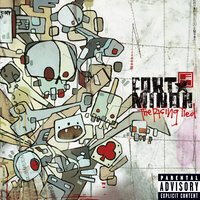
Información de la canción En esta página puedes leer la letra de la canción Kenji de -Fort Minor
En el género:Иностранный рэп и хип-хоп
Fecha de lanzamiento:20.11.2005
Idioma de la canción:Inglés
Restricciones de edad: 18+
Seleccione el idioma al que desea traducir:
¡Escribe lo que piensas sobre la letra!
Otras canciones del artista:
| Nombre | Año |
|---|---|
| 2005 | |
| 2005 | |
| 2005 | |
| 2005 | |
| 2005 | |
| 2005 | |
| 2005 | |
| 2015 | |
| 2005 | |
| 2005 | |
| 2005 | |
| 2005 | |
| 2005 | |
| 2005 | |
| 2005 | |
| 2005 | |
| 2005 |