| The Blind Harper (original) | The Blind Harper (traducción) |
|---|---|
| Have you heard of the blind harper, | ¿Has oído hablar del arpista ciego, |
| How he lived in Hogmaven town, | Cómo vivía en la ciudad de Hogmaven, |
| How he went down to fair England, | cómo descendió a la bella Inglaterra, |
| To steal King Henry’s wanton Brown. | Para robar el libertino Brown del rey Enrique. |
| First he went unto his wife, | Primero fue a su esposa, |
| With all the haste as go could he, | Con toda la prisa que pudo, |
| This work he said it will never go well, | Este trabajo dijo que nunca saldrá bien, |
| Without the help of our good grey mare. | Sin la ayuda de nuestra buena yegua gris. |
| Said she, you take the good grey mare, | Dijo ella, tomas la buena yegua gris, |
| She’ll run o’er hills both low and high, | Ella correrá por las colinas bajas y altas, |
| Go take the halter in your hose, | Ve a tomar el cabestro en tu manguera, |
| And leave the foal at home with me. | Y deja el potro en casa conmigo. |
| He’s up and went to England gone, | Se levantó y se fue a Inglaterra y se fue, |
| He went as fast as go could he, | Fue tan rápido como pudo, |
| And when he got to Carlisle gates, | Y cuando llegó a las puertas de Carlisle, |
| Who should be there but King Henry. | ¿Quién debería estar allí sino el rey Enrique? |
| Come in, come in you blind harper, | Entra, entra, ciego arpista, |
| And of your music let me hear, | Y de tu música déjame oír, |
| But up and said the blind harper, | Pero levántate y dijo el arpista ciego, |
| I’d rather have a stable for my mare. | Prefiero tener un establo para mi yegua. |
| The king looked over his left shoulder, | El rey miró por encima de su hombro izquierdo, |
| And he said unto his stable groom, | Y dijo a su mozo de cuadra: |
| Go take the poor blind harper’s mare, | Ve a tomar la yegua del pobre arpista ciego, |
| And put her beside my wanton brown. | Y ponla al lado de mi moreno lascivo. |
| Then he’s harped and then he sang, | Luego toca el arpa y luego canta, |
| Til he played them all so sound asleep, | Hasta que las tocó todas tan profundamente dormidas, |
| And quietly he took off his shoes, | Y en silencio se quitó los zapatos, |
| And down the stairs he did creep. | Y bajó las escaleras sigilosamente. |
| Straight to the stable door he’s gone, | Directo a la puerta del establo se ha ido, |
| With a tread so light as light could be, | Con un paso tan ligero como la luz podría ser, |
| And when he opened and went in, | Y cuando abrió y entró, |
| He found thirty steeds and three. | Encontró treinta corceles y tres. |
| He took the halter from his horse, | Tomó el cabestro de su caballo, |
| And from his purse he did not fail, | Y de su bolsa no faltó, |
| He slipped it over the wanton’s nose, | Lo deslizó sobre la nariz del libertino, |
| And tied it to the grey mare’s tail. | Y lo ató a la cola de la yegua gris. |
| Then he let her loose at the castle gates, | Luego la soltó a las puertas del castillo, |
| She didn’t fail to find her way, | Ella no falló en encontrar su camino, |
| She went back to her own colt foal, | Ella volvió a su propio potro, |
| Three long hours before the day. | Tres largas horas antes del día. |
| Then in the morning, at fair daylight, | Luego, por la mañana, a la luz del día, |
| When they had ended all their cheer, | Cuando hubieron terminado con toda su alegría, |
| Behold the wanton brown had gone, | He aquí que el moreno lascivo se había ido, |
| So had the poor blind harper’s mare. | También la pobre yegua ciega del arpista. |
| And oh, Alas, said the blind harper, | Y oh, ay, dijo el arpista ciego, |
| Ever also that I came here, | Siempre también que vine aquí, |
| In Scotland I’ve got a little colt foal, | En Escocia tengo un pequeño potro, |
| In England they stole my good grey mare. | En Inglaterra me robaron mi buena yegua gris. |
| Hold your tongue said King Henry, | Calla, dijo el rey Enrique, |
| And all your mournings let them be, | y sean todos vuestros lamentos, |
| You shall get a far better mare, | Conseguirás una yegua mucho mejor, |
| And well paid shall our colt foal be. | Y bien pagado será nuestro potrillo. |
| Again he harped and again he sang, | De nuevo tocó la arpa y de nuevo cantó, |
| The sweetest music he let them hear, | La música más dulce les hizo oír, |
| He was paid for a foal that he never lost, | Le pagaron por un potro que nunca perdió, |
| And three times over the good grey mare. | Y tres veces sobre la buena yegua torda. |
Traducción de la letra de la canción The Blind Harper - Kate Rusby
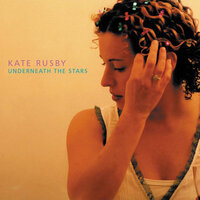
Información de la canción En esta página puedes leer la letra de la canción The Blind Harper de -Kate Rusby
Canción del álbum: Underneath The Stars
En el género:Музыка мира
Fecha de lanzamiento:21.11.2010
Idioma de la canción:Inglés
Sello discográfico:Pure
Seleccione el idioma al que desea traducir:
¡Escribe lo que piensas sobre la letra!
Otras canciones del artista:
| Nombre | Año |
|---|---|
| 2010 | |
| 2010 | |
| 2010 | |
| 2010 | |
| 2010 | |
| 2010 | |
| 2010 | |
| 2010 | |
| 2010 | |
| 2010 | |
| 2010 | |
| 2010 | |
| 2010 | |
| 2010 | |
| 2010 | |
| 2010 | |
| 2014 | |
| 2010 | |
| 2010 | |
| 2014 |