| The Angel Of Death Came To David's Room (original) | The Angel Of Death Came To David's Room (traducción) |
|---|---|
| The Angel of Death came to David’s room | El ángel de la muerte vino a la habitación de David |
| The Angel of Death came to David’s room | El ángel de la muerte vino a la habitación de David |
| The Angel of Death came to David’s room | El ángel de la muerte vino a la habitación de David |
| He said, «Friend, it’s time to go"' | Él dijo: «Amigo, es hora de irse». |
| Angel, no, I think you’ve come too soon | Ángel, no, creo que has venido demasiado pronto |
| Angel, no, I think you’ve come too soon | Ángel, no, creo que has venido demasiado pronto |
| Angel, no, I think you’ve come too soon | Ángel, no, creo que has venido demasiado pronto |
| It’s not my time to go | No es mi hora de irme |
| Sorry friend, now put your hand in mine | Lo siento amigo, ahora pon tu mano en la mía |
| I’m sorry friend, now put your hand in mine | Lo siento amigo, ahora pon tu mano en la mía |
| But good angel, don’t I get a warning sign | Pero buen ángel, ¿no recibo una señal de advertencia? |
| Before it’s my time to go? | ¿Antes de que sea mi hora de irme? |
| Come now David, where’s your grandma gone? | Vamos, David, ¿dónde se ha ido tu abuela? |
| Come now David, where’s your grandpa gone? | Vamos, David, ¿dónde se ha ido tu abuelo? |
| Come now David, where’s your grandma gone? | Vamos, David, ¿dónde se ha ido tu abuela? |
| Their time came to go | Llegó su hora de irse |
| But I slew Goliath with the sling and stone | Pero maté a Goliat con la honda y la piedra |
| I slew Goliath with the sling and stone | Maté a Goliat con la honda y la piedra |
| I slew Goliath with the sling and stone | Maté a Goliat con la honda y la piedra |
| It’s not my time to go | No es mi hora de irme |
| He’ll be waiting for you when we get back home | Te estará esperando cuando volvamos a casa. |
| He’ll be waiting for you when we get back home | Te estará esperando cuando volvamos a casa. |
| He’ll be waiting for you when we get back home | Te estará esperando cuando volvamos a casa. |
| It’s time, it’s time to go | Es hora, es hora de irse |
| Come now David, where’s your momma gone? | Vamos, David, ¿dónde se ha ido tu mamá? |
| Come now David, where’ve your uncles gone? | Vamos, David, ¿adónde han ido tus tíos? |
| Come now David, where’ve your aunts all gone? | Vamos, David, ¿dónde se han ido todas tus tías? |
| Their time came to go | Llegó su hora de irse |
| Can I tell Solomon the things I’ve learned? | ¿Puedo contarle a Salomón las cosas que he aprendido? |
| Can I tell Solomon the things I’ve learned? | ¿Puedo contarle a Salomón las cosas que he aprendido? |
| I’m sorry, friend, that’s none of my concern | Lo siento, amigo, eso no es de mi incumbencia. |
| It’s time, it’s time to go | Es hora, es hora de irse |
| Come now David where’s Uriah gone? | Vamos, David, ¿dónde se ha ido Urías? |
| Stranded on the battlefield | Varados en el campo de batalla |
| The troops withdrawn | Las tropas se retiraron |
| Come now David, where’s Uriah gone? | Vamos, David, ¿dónde se ha ido Urías? |
| His time came to go | Llegó su hora de irse |
| Come now David, where’s Bathsheba gone? | Vamos, David, ¿dónde se ha ido Betsabé? |
| And where’ve your binoculars and rooftop gone? | ¿Y dónde se han ido tus binoculares y tu techo? |
| The unexpected baby from the bath night gone? | ¿Se ha ido el bebé inesperado de la noche del baño? |
| Their time came to go | Llegó su hora de irse |
| Come now David, where is everybody going? | Vamos, David, ¿adónde van todos? |
| Come now David, where is everybody going? | Vamos, David, ¿adónde van todos? |
| Come now David, where is everybody going? | Vamos, David, ¿adónde van todos? |
| Come now David, where is everybody going? | Vamos, David, ¿adónde van todos? |
| Come now David, where is everybody going? | Vamos, David, ¿adónde van todos? |
| Come now David, where is everybody going? | Vamos, David, ¿adónde van todos? |
| Come now David, where is everybody going? | Vamos, David, ¿adónde van todos? |
Traducción de la letra de la canción The Angel Of Death Came To David's Room - mewithoutYou
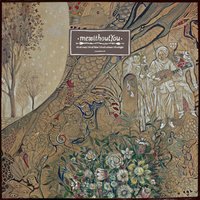
Información de la canción En esta página puedes leer la letra de la canción The Angel Of Death Came To David's Room de -mewithoutYou
Canción del álbum: It's All Crazy! It's All False! It's All A Dream! It's Alright
En el género:Пост-хардкор
Fecha de lanzamiento:31.12.2008
Idioma de la canción:Inglés
Sello discográfico:Capitol Christian
Seleccione el idioma al que desea traducir:
¡Escribe lo que piensas sobre la letra!
Otras canciones del artista:
| Nombre | Año |
|---|---|
| 2003 | |
| 2001 | |
| 2008 | |
| 2018 | |
| 2003 | |
| 2016 | |
| 2008 | |
| 2015 | |
| 2003 | |
| 2001 | |
| 2015 | |
| 2001 | |
| 2015 | |
| 2015 | |
| 2001 | |
| 2003 | |
| 2003 | |
| 2003 | |
| 2015 |