| Phil Too? (original) | Phil Too? (traducción) |
|---|---|
| How could I tell you had more than usual to say? | ¿Cómo podría decir que tenías más que decir de lo habitual? |
| The day you left I sang, «Et tu Brute?» | El día que te fuiste yo canté, «Et tu Brute?» |
| And your old friend was telling me today | Y tu viejo amigo me decía hoy |
| That you were singing exactly the same | Que estabas cantando exactamente igual |
| And you were sick of yourself, and everyone else | Y estabas harto de ti mismo, y de todos los demás |
| You looked as thin as white as snow, your eyes as clear as ice | Parecías tan delgada como la nieve, tus ojos tan claros como el hielo |
| You looked at me, I looked at you. | Tú me miraste, yo te miré. |
| You did what you had to | Hiciste lo que tenías que |
| «Say ah, say ah,» the doctor said, «Say ah.» | «Di ah, di ah», dijo el médico, «Di ah». |
| You have to kick the town | Tienes que patear la ciudad |
| The pubs that bleed you at night — oh your town’s fully furnished | Los pubs que te sangran por la noche, oh, tu ciudad está completamente amueblada |
| A fly trap with traffic lights | Una trampa para moscas con semáforos |
| And you were stuck to bars and bass guitars | Y estabas pegado a barras y guitarras bajas |
| And rooms and girls, (dishwater blondes) | Y cuartos y chicas, (rubias lavaplatos) |
| And faces — they don’t wanna know you | Y caras, no quieren conocerte |
| They just want a shoulder to get pissed on | Solo quieren un hombro para enojarse |
| And it happened again — | Y sucedió de nuevo— |
| The heart inquires why I didn’t know then what I know now | El corazón pregunta por qué no sabía entonces lo que sé ahora |
| How could I tell you just needed a push to stay? | ¿Cómo podría decirte que solo necesitabas un empujón para quedarte? |
| The day you left I sang «Et tu Brute?» | El día que te fuiste canté «Et tu Brute?» |
Traducción de la letra de la canción Phil Too? - The Verlaines
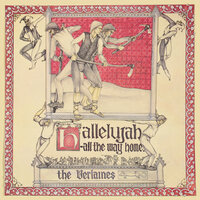
Información de la canción En esta página puedes leer la letra de la canción Phil Too? de -The Verlaines
Canción del álbum: Hallelujah All The Way Home
En el género:Альтернатива
Fecha de lanzamiento:02.12.2013
Idioma de la canción:Inglés
Sello discográfico:Artist, Flying Nun
Seleccione el idioma al que desea traducir:
¡Escribe lo que piensas sobre la letra!
Otras canciones del artista:
| Nombre | Año |
|---|---|
| 2013 | |
| 2013 | |
| 2013 | |
| 2013 | |
| 2013 | |
| 2013 | |
| 2013 | |
| 2013 | |
| 2003 | |
| 2013 | |
| 2013 | |
| 2013 | |
| 1985 | |
| 2013 | |
| 2013 | |
| 2013 | |
| 2013 | |
| 2013 | |
| 2013 | |
| 2013 |