| Lifeboat (original) | Lifeboat (traducción) |
|---|---|
| Teacher: Good morning, class! | Maestra: ¡Buenos días, clase! |
| Class: Good morning, Mrs. Aryan | Clase: Buenos días, Sra. Aryan |
| Teacher: Today we’re going to play a game! | Maestra: ¡Hoy vamos a jugar un juego! |
| Class: Yeah! | Clase: ¡Sí! |
| Teacher: This game is called Lifeboat. | Maestra: Este juego se llama Salvavidas. |
| All together… | Todos juntos… |
| Class: Lifeboat! | Clase: bote salvavidas! |
| Teacher: Good! | Maestra: ¡Bien! |
| Lifeboat is a lesson in values clarification. | El bote salvavidas es una lección de clarificación de valores. |
| Can you say values | puedes decir valores |
| clarification? | ¿aclaración? |
| Class: No | Clase: Sí |
| Teacher: Values clarification is where your little minds decide which lives are | Maestra: La clarificación de valores es donde sus pequeñas mentes deciden qué vidas son |
| worth living and which lives are worth… ahem…not living. | vale la pena vivir y qué vidas valen... ejem... no vivir. |
| Now here’s how we | Ahora así es como nosotros |
| play. | jugar. |
| A big ship just sank. | Un gran barco acaba de hundirse. |
| There are five people on the lifeboat. | Hay cinco personas en el bote salvavidas. |
| But the lifeboat is only made for two. | Pero el bote salvavidas solo está hecho para dos. |
| I’ll list the five people on the | Voy a enumerar las cinco personas en el |
| chalkboard, and you, class, will decide which three will be thrown overboard. | pizarrón, y ustedes, clase, decidirán cuáles tres serán tirados por la borda. |
| Are we ready? | ¿Estamos listos? |
| Class: Yes, Mrs. Aryan | Clase: Sí, Sra. Aryan |
| Teacher: Good! | Maestra: ¡Bien! |
| First, there’s an old, old crippled grandfather. | Primero, hay un abuelo anciano lisiado. |
| Second, | Segundo, |
| there’s a mentally handicapped person in a wheelchair | hay un discapacitado mental en una silla de ruedas |
| Alison: What’s mentally handicapped? | Alison: ¿Qué son los discapacitados mentales? |
| Teacher: It means they can never be a productive members of society. | Maestro: Significa que nunca podrán ser miembros productivos de la sociedad. |
| Third, there’s an overweight woman on welfare, with a sniffling, | Tercero, hay una mujer con sobrepeso en asistencia social, con un estornudo, |
| whimpering baby | bebé lloriqueando |
| Max: Is the baby on welfare, too? | Max: ¿El bebé también recibe asistencia social? |
| Teacher: Let’s not push Mrs. Aryan… | Maestra: No presionemos a la Sra. Aryan… |
| Sydney: Who else is in the boat? | Sydney: ¿Quién más está en el barco? |
| Teacher: A young, white doctor with blue eyes and perfect teeth, | Maestra: Un médico joven, blanco, con ojos azules y dientes perfectos, |
| and Joan Collins. | y Joan Collins. |
| Now, class, take five minutes to make your decision. | Ahora, clase, tómense cinco minutos para tomar su decisión. |
| … | … |
| Times up! | ¡Se acabó el tiempo! |
| Well class? | Bueno clase? |
| Class: (singing) | Clase: (cantar) |
| Throw over grandpa 'cause he’s getting pretty old | Tirar al abuelo porque se está haciendo bastante viejo |
| Throw out the baby or we’ll all be catching it’s cold | Tira al bebé o todos nos resfriaremos |
| Throw over fatty and we’ll see if she can float | Tírale a la gorda y veremos si puede flotar |
| Throw out the retard, and they won’t be rockin' the boat | Tira al retrasado y no estarán sacudiendo el bote |
| Teacher: Very good! | Maestra: ¡Muy bien! |
| That was fun, wasn’t it? | Eso fue divertido, ¿no? |
| Class: Yes, Mrs. Aryan | Clase: Sí, Sra. Aryan |
| Teacher: For our next lesson, we’re going to do an experiment! | Maestra: ¡Para nuestra próxima lección, vamos a hacer un experimento! |
| Class: Yeah! | Clase: ¡Sí! |
| Teacher: We’re going to test the law of gravity, just like Galileo, | Maestra: Vamos a probar la ley de la gravedad, como Galileo, |
| by dropping two objects out the window--one heavy and one light--to see which | tirando dos objetos por la ventana, uno pesado y otro liviano, para ver cuál |
| one hits the sidewalk first. | uno golpea la acera primero. |
| Now what shall we use for the lighter object? | Ahora, ¿qué usaremos para el objeto más ligero? |
| I’m thinking of something small and square… | Estoy pensando en algo pequeño y cuadrado... |
| Class: An eraser? | Clase: ¿Un borrador? |
| Teacher: Good! | Maestra: ¡Bien! |
| And what shall we use for the heavy object? | ¿Y qué usaremos para el objeto pesado? |
| I’m thinking of | Estoy pensando en |
| something round and bouncy… Tommy, I haven’t given you permission to leave | algo redondo y saltarín... Tommy, no te he dado permiso para irte |
| your seat… class, the bell has not rung. | su asiento… clase, la campana no ha sonado. |
| What are you… oohh! | ¿Qué estás… oohh! |
| Class… | Clase… |
| put me down! | ¡Bájame! |
| Put me down this instant! | ¡Bájame en este instante! |
| Ooohhh! | ¡Ooohhh! |
| Ooohhh! | ¡Ooohhh! |
| Class: (singing) | Clase: (cantar) |
| Throw over teacher and we’ll see if she can bounce | Tírale a la maestra y veremos si puede rebotar |
| We’ve learned our lesson--teacher says perfection’s what counts | Hemos aprendido nuestra lección: el maestro dice que la perfección es lo que cuenta |
| She’s getting old and gray and wears an ugly coat | Se está poniendo vieja y canosa y lleva un abrigo feo. |
| Throw over teacher and we’ll play another game of lifeboat | Tira al maestro y jugaremos otro juego de bote salvavidas |
Traducción de la letra de la canción Lifeboat - Steve Taylor
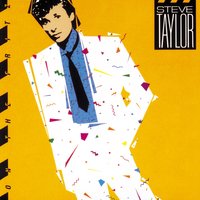
Información de la canción En esta página puedes leer la letra de la canción Lifeboat de -Steve Taylor
Canción del álbum: On the Fritz
En el género:Поп
Fecha de lanzamiento:23.02.1994
Idioma de la canción:Inglés
Sello discográfico:Sparrow
Seleccione el idioma al que desea traducir:
¡Escribe lo que piensas sobre la letra!
Otras canciones del artista:
| Nombre | Año |
|---|---|
| 1987 | |
| 2009 | |
| 1987 | |
| 1987 | |
| 1987 | |
| 1987 | |
| 1987 | |
| 1987 | |
| 1994 | |
| 2009 | |
| 2009 | |
| 1994 | |
| 1994 | |
| 2009 | |
| 2009 | |
| 1994 | |
| 2009 | |
| 2009 | |
| 1994 | |
| 1994 |